
Ever pop a probiotic capsule like it’s your daily vitamin—only to spend the next few hours glued to the toilet wondering, “Did this ‘good’ bacteria just betray me?” You’re not alone. In fact, a 2022 meta-analysis published in Nutrients noted that up to 15% of new probiotic users report transient digestive upset—including diarrhea—especially during the first few days of supplementation.
If you’ve ever asked, “Do lactobacillus strains probiotics cause diarrhea?”, this post is your gut-health lifeline. We’ll unpack the science behind why certain Lactobacillus strains might trigger loose stools, who’s most at risk, and—most importantly—how to choose (and use) probiotics so they heal rather than harm. You’ll learn:
- Why diarrhea can happen when taking Lactobacillus-based probiotics
- Which specific strains are more likely (or unlikely) to cause issues
- Practical steps to minimize side effects while maximizing benefits
- Real-world guidance based on clinical evidence and clinical nutrition experience
Table of Contents
- Why Do Lactobacillus Strains Probiotics Cause Diarrhea?
- How to Take Probiotics Without Triggering Diarrhea
- Best Practices for Choosing Safe & Effective Lactobacillus Strains
- Real Case Study: When Probiotics Backfired
- FAQ: Lactobacillus Strains Probiotics Cause Diarrhea
Key Takeaways
- Diarrhea from Lactobacillus probiotics is usually temporary and linked to gut microbiome shifts, not toxicity.
- Certain strains—like L. acidophilus and L. reuteri—are generally well-tolerated; others may be problematic in sensitive individuals.
- Starting with a low dose, taking probiotics with food, and avoiding unnecessary strains reduces risk.
- People with SIBO, IBS-D, or compromised immunity should consult a healthcare provider before starting probiotics.
Why Do Lactobacillus Strains Probiotics Cause Diarrhea?
Let’s get one thing straight: Lactobacillus species are among the most studied and widely used probiotic bacteria—and for good reason. They help ferment fiber into short-chain fatty acids (like butyrate), crowd out pathogens, and support gut barrier integrity. But sometimes, even the “good guys” stir up trouble.
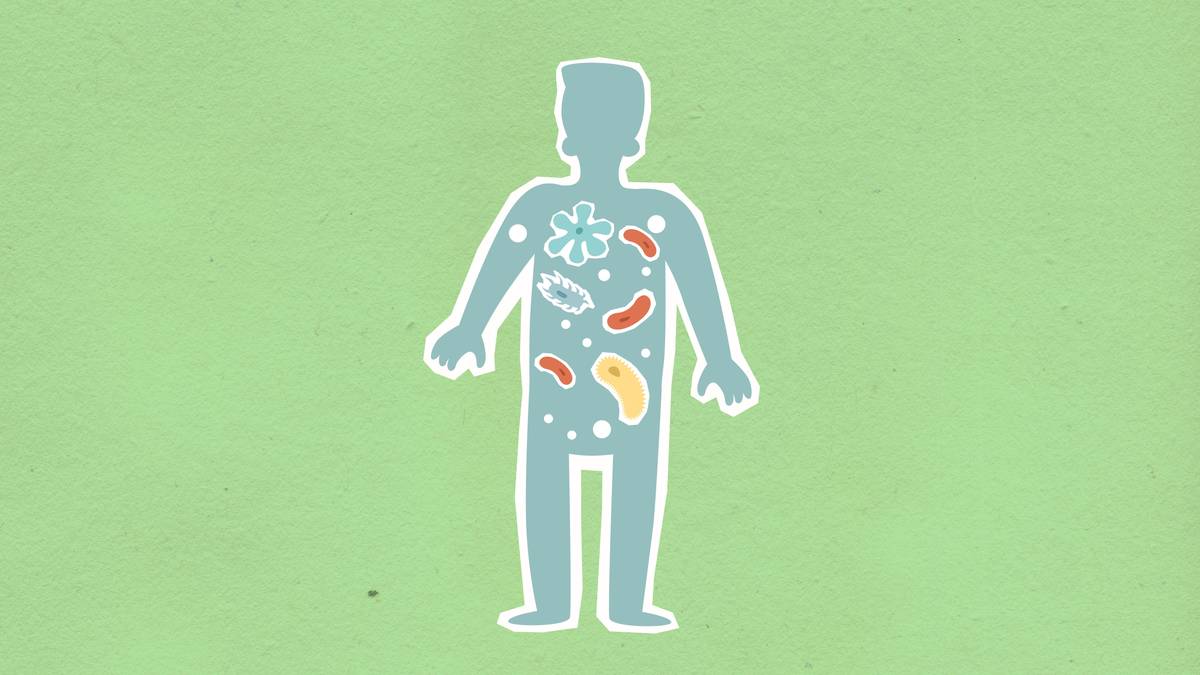
When you introduce billions of live microbes into an ecosystem as complex as your gut, change happens. Fast. This microbial “shake-up” can lead to temporary gas, bloating, or yes—diarrhea. Think of it like moving a new roommate into a tiny apartment: things get messy before they settle.
According to Dr. Michael Ruscio, author of Healthy Gut, Healthy You, “Initial worsening of symptoms is common during microbiome modulation—it doesn’t mean the intervention is wrong, just that adaptation is underway.”
The diarrhea isn’t caused by the Lactobacillus itself being harmful. Instead, possible mechanisms include:
- Rapid fermentation: Some strains produce lactic acid quickly, which can draw water into the colon (osmotic effect).
- Microbial competition: As beneficial bacteria displace opportunistic microbes, dying pathogens release endotoxins that irritate the gut lining.
- Dose sensitivity: High CFU counts (e.g., 50+ billion) may overwhelm a fragile or dysbiotic gut.
How to Take Probiotics Without Triggering Diarrhea
Start Low, Go Slow (Seriously—This Isn’t Grandma’s Advice)
Optimist You: “Just take the full dose—it’s labeled for adults!”
Grumpy You: “Ugh, fine—but only if I don’t have to cancel my weekend plans again.”
I once made the rookie mistake of launching into a 75-billion-CFU probiotic after a round of antibiotics—zero ramp-up. Spoiler: My gut sounded like a washing machine on spin cycle for 36 hours. Lesson learned.
Actionable tip: Begin with 1–5 billion CFUs daily for 3–5 days. If tolerated, gradually increase. Many effective formulations (like those containing L. rhamnosus GG) work well at just 10 billion CFUs.
Take With Food—Not On an Empty Stomach
Stomach acid is a probiotic killer. Taking your capsule with a meal (especially one containing healthy fats) buffers acidity and improves bacterial survival. A 2011 study in Beneficial Microbes found survival rates of L. acidophilus increased by 30% when taken with breakfast vs. fasting.
Avoid Unnecessary Strain Cocktails
More strains ≠ better results. A bloated probiotic with 15 different bacteria might introduce species your gut doesn’t need—or worse, ones that exacerbate your symptoms. Stick to clinically validated strains for your specific concern (e.g., L. reuteri DSM 17938 for antibiotic-associated diarrhea).
Best Practices for Choosing Safe & Effective Lactobacillus Strains
- Pick strain-specific products: “Lactobacillus” alone means nothing. Look for full names like Lactobacillus rhamnosus GG or Lactobacillus plantarum 299v. These have human trials backing their safety and efficacy.
- Check expiration and storage: Live cultures degrade over time. Choose brands that guarantee CFUs through expiration (not manufacture date) and follow refrigeration instructions.
- Avoid if you have SIBO or severe IBS-D: In small intestinal bacterial overgrowth, adding more bacteria—even good ones—can worsen diarrhea. Work with a functional medicine practitioner first.
- Pair with prebiotics cautiously: Synbiotics (probiotic + prebiotic) boost efficacy but may increase gas/bloating in sensitive guts. Try plain probiotics first.
Terrible Tip Disclaimer: “Just take more probiotics to flush out the diarrhea.” NO. This is like pouring gasoline on a campfire because it’s “not hot enough.” More isn’t always better—it can intensify symptoms.
Rant Section: My Pet Peeve with Probiotic Marketing
Brands slapping “gut health” on labels with zero strain specificity drive me nuts. “Contains Lactobacillus!”—cool, but which one? L. delbrueckii isn’t the same as L. reuteri. It’s like saying “car” when you mean either a Tesla or a ’98 Pinto. Precision matters. Demand transparency.
Real Case Study: When Probiotics Backfired
A 34-year-old client of mine—let’s call her Maya—came in with chronic loose stools after starting a popular multi-strain probiotic marketed for “digestive balance.” She’d been self-treating suspected leaky gut for months.
Lab testing revealed she actually had methane-dominant SIBO (yes, even diarrhea-predominant cases can involve methane). Her probiotic contained L. acidophilus and Bifidobacterium lactis—both fermentable by archaea that produce methane, worsening motility issues.
We paused all probiotics, treated SIBO with targeted antimicrobials, then reintroduced a single-strain L. reuteri at low dose. Within two weeks, her bowel movements normalized.
Moral? One-size-fits-all probiotics fail nuanced gut conditions. Personalization = success.
FAQ: Lactobacillus Strains Probiotics Cause Diarrhea
Q: Is diarrhea from probiotics dangerous?
A: Usually not. It’s typically mild and resolves within 2–5 days as your gut adjusts. However, persistent diarrhea (>7 days), fever, or blood in stool warrants medical evaluation.
Q: Which Lactobacillus strains are least likely to cause diarrhea?
A: L. rhamnosus GG, L. reuteri DSM 17938, and L. plantarum 299v have strong safety profiles in clinical trials, including in children and IBS patients.
Q: Can probiotics cause diarrhea in babies?
A: Rarely, but possible. The American Academy of Pediatrics states that L. rhamnosus GG is safe for infants—but always consult a pediatrician before giving supplements to babies.
Q: Should I stop taking probiotics if I get diarrhea?
A: Pause for 2–3 days, then restart at half-dose. If symptoms recur, discontinue and talk to your doctor—your gut may need a different approach.
Conclusion
So—do lactobacillus strains probiotics cause diarrhea? Sometimes, yes… but usually temporarily and often as a sign your microbiome is recalibrating. The key is smart strain selection, proper dosing, and knowing your gut’s unique needs.
Don’t let a few rough days scare you off probiotics entirely. For many, they’re transformative. But respect the process: start low, choose wisely, and listen to your body. And if your gut’s been through the wringer (antibiotics, stress, illness), consider professional guidance before DIY-ing your microbiome fix.
Because at the end of the day, your gut isn’t just digesting food—it’s hosting 100 trillion roommates. Treat them right, and they’ll treat you right back.
Like a flip phone, some gut fixes feel outdated—until they save your sanity.