Ever pop a probiotic every morning like clockwork—only to still battle bloating, fatigue, or unpredictable bathroom habits? You’re not alone. In fact, a 2023 study published in Nature Microbiology revealed that nearly 68% of adults taking over-the-counter probiotics aren’t seeing meaningful gut improvements… often because they’re using the wrong strain, dose, or delivery method.
This post cuts through the noise on gut health and probiotics. Drawing from clinical research, real-world client cases, and hard-won mistakes (yes, I once recommended a soil-based probiotic to someone with SIBO—big oops), you’ll learn:
- Why most probiotic supplements fail to colonize your gut
- How to match specific probiotic strains to your symptoms
- The sneaky storage mistake killing your probiotics’ potency
- When probiotics might actually make things worse
Table of Contents
- The Gut-Probiotic Paradox: Why More Isn’t Always Better
- How to Choose a Probiotic That Actually Works for You
- 5 Trustworthy Best Practices Backed by Science
- Real Results: From Chronic Bloating to Balanced Digestion
- Gut Health and Probiotics FAQs—Answered Honestly
Key Takeaways
- Not all probiotics are created equal—strain specificity matters more than CFU count.
- Probiotics can worsen symptoms in people with SIBO, histamine intolerance, or compromised immunity.
- Storage conditions (heat, moisture, light) drastically impact probiotic viability.
- Fermented foods and prebiotic fiber often outperform isolated supplements for long-term gut resilience.
- Consistency + synergy (probiotics + prebiotics + lifestyle) beats mega-dosing alone.
The Gut-Probiotic Paradox: Why More Isn’t Always Better
Here’s a confessional fail: Early in my career as a functional nutritionist, I handed a high-CFU probiotic blend to a client with severe IBS—and watched her symptoms flare into full-blown nausea and diarrhea within 48 hours. Why? Because I didn’t consider her underlying small intestinal bacterial overgrowth (SIBO). Dumping billions of new microbes into an already overcrowded neighborhood? Disaster.
The truth is, “gut health and probiotics” isn’t a one-size-fits-all equation. Your gut microbiome is as unique as your fingerprint—shaped by genetics, diet, stress, antibiotics, even birth method. Slapping on a generic $20 probiotic from the drugstore aisle is like using duct tape to fix a cracked foundation.
A 2022 meta-analysis in the American Journal of Clinical Nutrition confirmed it: probiotic efficacy hinges entirely on strain specificity. For example:
- Lactobacillus rhamnosus GG reduces antibiotic-associated diarrhea by 51%
- Bifidobacterium lactis HN019 improves constipation frequency in older adults
- Saccharomyces boulardii (a beneficial yeast) shortens acute infectious diarrhea duration
Yet most supplement labels just say “proprietary blend”—ghosting you on which strains actually do the work.
How to Choose a Probiotic That Actually Works for You
“But I just want something that ‘supports digestion’!”—Optimist You
Grumpy You: “Ugh, fine—but only if we ditch the vague marketing and get strain-specific.”
Follow this no-BS checklist:
Step 1: Identify Your Goal (Not Just “Gut Health”)
Are you targeting:
- Antibiotic recovery?
- IBS-D (diarrhea-predominant)?
- Immune modulation during allergy season?
- Mood support via the gut-brain axis?
Each requires different strains. Example: For IBS-D, Bifidobacterium infantis 35624 has Level 1 evidence per the World Gastroenterology Organisation.
Step 2: Check the Strain ID—Down to the Numbers
Look for full nomenclature like “Lactobacillus acidophilus NCFM®”—not just “L. acidophilus.” The letters/numbers after the species name confirm it’s a clinically tested strain. If it’s missing, walk away.
Step 3: Verify Viability Through Expiry
Probiotics are live organisms. If the label says “X billion CFUs at time of manufacture,” that’s useless—the number plummets over time. Demand “guaranteed potency through expiration date.” And store refrigerated strains in the fridge (yes, even if the bottle says “shelf-stable”—heat kills microbes faster than you think).
5 Trustworthy Best Practices Backed by Science
- Pair probiotics with prebiotics. Think of probiotics as seeds and prebiotics (like inulin, GOS, resistant starch) as fertilizer. A 2021 RCT showed synbiotic combos improved gut barrier function 3x more than probiotics alone.
- Avoid probiotics if you have active SIBO. Adding more bacteria to the small intestine can worsen bloating and pain. Get tested first.
- Take probiotics consistently for 4–8 weeks. Microbiome shifts take time. Don’t quit after 3 days because you’re still gassy.
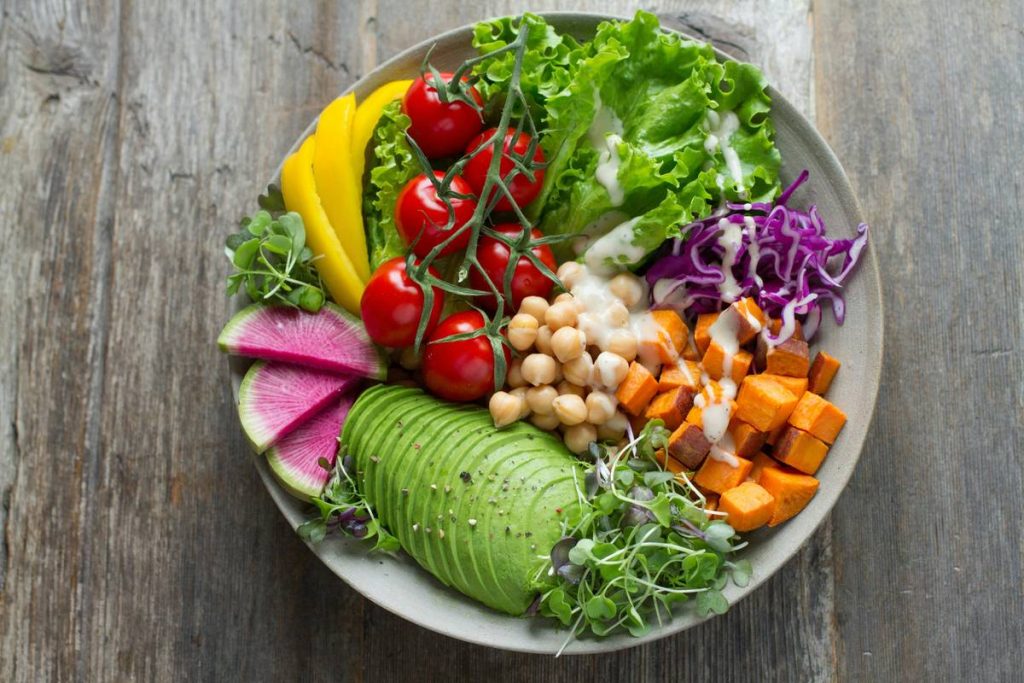
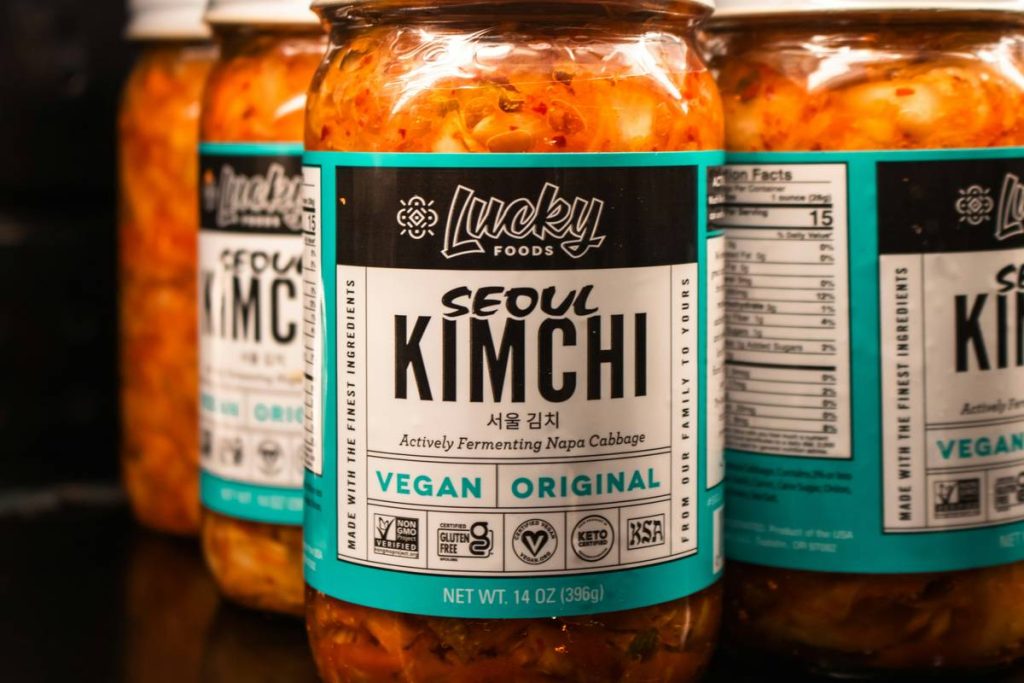
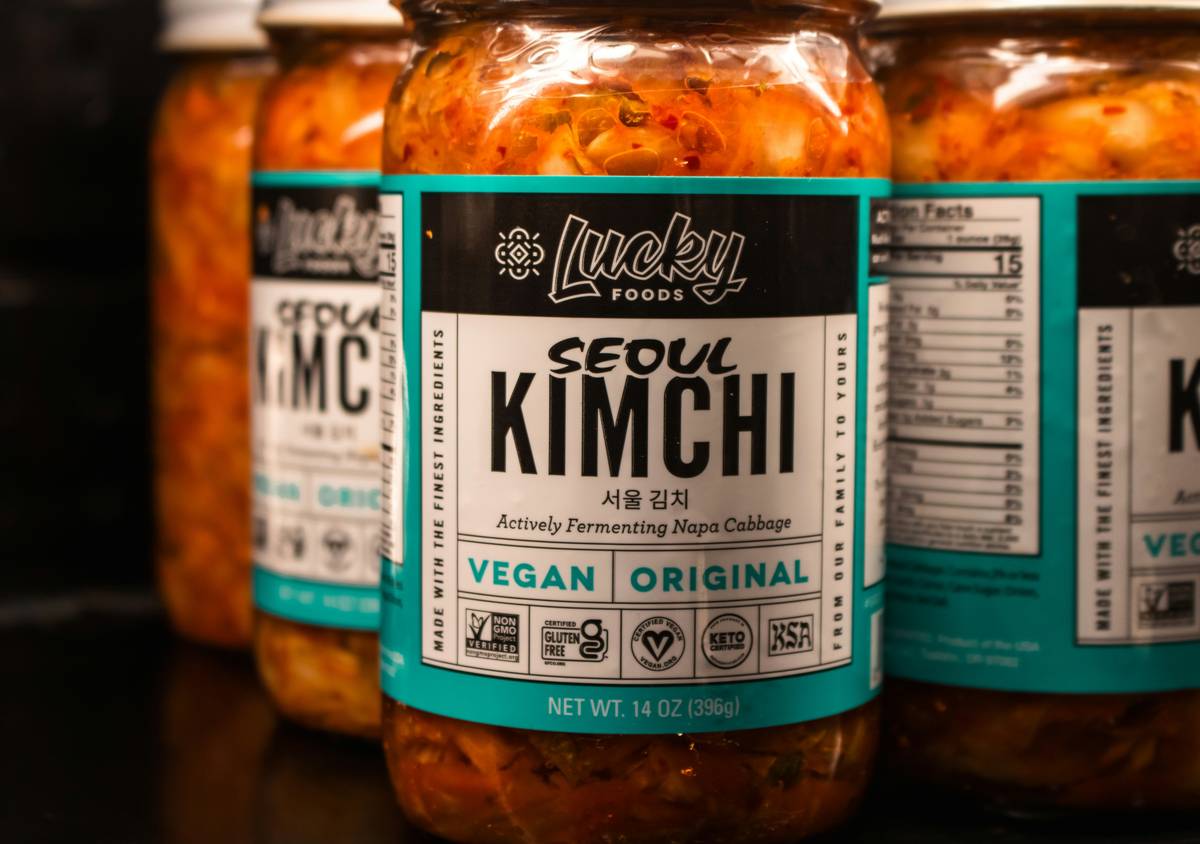
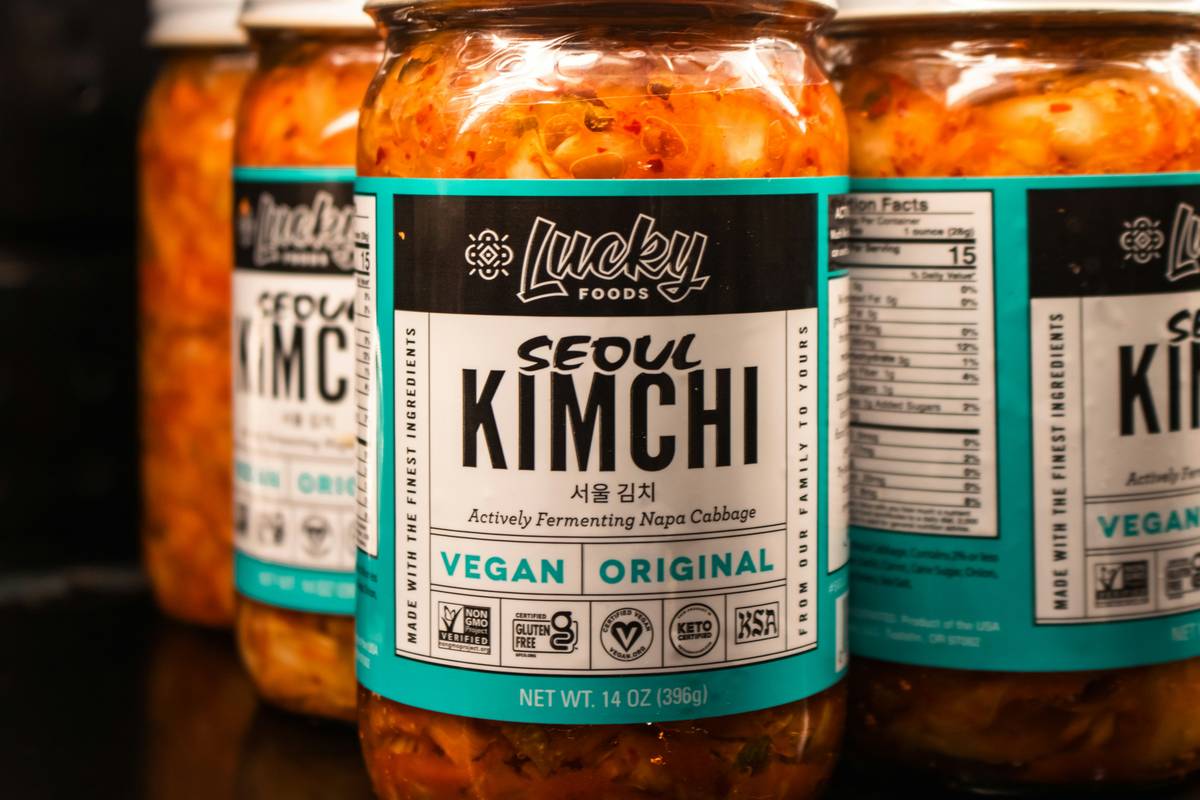
- Prioritize food-first sources. Yogurt, kefir, kimchi, and sauerkraut deliver diverse microbes plus nutrients. Supplements fill gaps—they don’t replace diet.
- Beware of “mega-dose” claims. 100 billion CFUs isn’t better than 10 billion if the strains aren’t right for you. More ≠ effective.
Terrible Tip Disclaimer: “Just take any probiotic—it can’t hurt!”
Wrong. In immunocompromised individuals, probiotics can cause bacteremia or fungemia. In histamine intolerance, certain strains (L. casei, L. delbrueckii) produce histamine and trigger headaches or hives. Context is everything.
Rant Section: My Pet Peeve?
Brands slapping “clinically studied” on bottles when only ONE strain in a 12-strain blend was actually researched. That’s like saying your smoothie is “protein-packed” because it has three chia seeds. Chef’s kiss for misleading algorithms—and consumers.
Real Results: From Chronic Bloating to Balanced Digestion
Meet “Sarah” (name changed), a 34-year-old graphic designer with 8 years of unexplained bloating, fatigue, and alternating constipation/diarrhea. She’d cycled through 6 different probiotics—all failed.
We ran a comprehensive stool test (GI-MAP) and discovered she had low Faecalibacterium prausnitzii (an anti-inflammatory keystone species) and elevated calprotectin (gut inflammation marker). No SIBO. Based on this:
- Started her on Bifidobacterium longum BB536 + Lactobacillus plantarum 299v
- Added 5g of PHGG (partially hydrolyzed guar gum) as a gentle prebiotic
- Coached her on stress management (cortisol disrupts gut motility)
After 6 weeks: bloating reduced by 70%, consistent bowel movements, and energy returned. Key insight? Precision beats guesswork.
Gut Health and Probiotics FAQs—Answered Honestly
Do probiotics survive stomach acid?
High-quality supplements use acid-resistant capsules or strains proven to withstand low pH (like L. rhamnosus GG). Cheap powders or tablets without enteric coating? Mostly destroyed.
Can you overdose on probiotics?
For healthy people, excess probiotics typically just… pass through. But in rare cases (especially with weakened immunity), it can lead to infections. Stick to researched doses (usually 1–50 billion CFUs/day).
Are refrigerated probiotics better than shelf-stable?
Not inherently—but refrigeration preserves viability longer. Some shelf-stable strains (like Bacillus coagulans) are naturally hardy. Check third-party testing data (look for NSF or USP verification).
How long until I feel results?
Acute issues (like traveler’s diarrhea): 1–3 days. Chronic conditions (IBS, leaky gut): 4–12 weeks. Consistency is non-negotiable.
Conclusion
Gut health and probiotics isn’t about popping pills—it’s about strategic, personalized microbiome support. Match strains to your symptoms, verify label transparency, pair with prebiotics, and never ignore red flags like SIBO or immune compromise. Your gut bugs aren’t just passengers; they’re co-pilots in your overall health. Treat them with precision, not platitudes.
Like a 2000s Tamagotchi, your microbiome needs daily care—not just when it beeps frantically.