Ever popped a probiotic like it’s candy—only to feel… absolutely nothing? You’re not alone. I once took a $40 bottle of “miracle” probiotics for three months, convinced my gut was throwing me a silent rave. Spoiler: it wasn’t. The real issue? I had zero clue that probiotic strain why are important gut isn’t just marketing fluff—it’s the entire game.
In this post, you’ll cut through the supplement noise and finally understand why specific probiotic strains matter more than colony counts or fancy packaging. We’ll break down:
- How different strains target different gut issues (IBS? Bloating? Immunity?)
- Which clinically studied strains actually move the needle
- Real-world mistakes even health-conscious folks make
- How to read a label like a gastroenterologist—not a guinea pig
Table of Contents
- Why Probiotic Strain Specificity Actually Matters
- How to Choose the Right Probiotic Strain for Your Goals
- Best Practices for Using Probiotics Effectively
- Real Case Study: From Bloating to Balance
- FAQs About Probiotic Strains and Gut Health
Key Takeaways
- Not all probiotics are equal—effectiveness is tied to the exact strain, not just the species.
- Lactobacillus rhamnosus GG and Bifidobacterium infantis 35624 are among the most clinically validated strains for specific conditions.
- Storing, timing, and pairing with prebiotics dramatically impact probiotic survival and efficacy.
- “More CFUs” ≠ better outcomes—precision beats potency when it comes to strains.
Why Probiotic Strain Why Are Important Gut? (It’s Not Just Hype)
Imagine prescribing “vitamin C” without specifying dosage, source, or form—then wondering why your scurvy doesn’t vanish. That’s what taking a generic “probiotic” feels like. The truth? Two supplements both labeled Lactobacillus acidophilus could contain completely different strains—one clinically proven for antibiotic-associated diarrhea, the other with zero human studies.
Here’s the science: A probiotic strain is identified by its genus (e.g., Lactobacillus), species (e.g., rhamnosus), and strain designation (e.g., GG). That final piece—the strain—is where the magic lives. As the International Scientific Association for Probiotics and Prebiotics (ISAPP) states: “Health effects of probiotics are strain-specific and cannot be extrapolated across strains.”

I learned this the hard way after treating chronic bloating with a multi-strain blend full of unverified isolates. Nothing changed—until a functional medicine practitioner pointed to Bifidobacterium infantis 35624, the strain used in 17+ human trials for IBS relief. Within weeks? My jeans fit again. No black coffee required—though let’s be real, it helped mood-wise.
Optimist You:
“Understanding strain specificity unlocks personalized gut healing!”
Grumpy You:
“Ugh, fine—but only if I don’t have to decode Latin names like I’m in med school.”
How to Choose the Right Probiotic Strain for Your Goals
Picking a probiotic based on “gut health” is like choosing a wrench because it’s “metal.” Useless. Match the strain to your symptom:
What strain helps with IBS or bloating?
Bifidobacterium infantis 35624 (sold as Align®) is the gold standard. A 2006 double-blind RCT in the American Journal of Gastroenterology showed significant reduction in abdominal pain, bloating, and bowel dysfunction vs. placebo after 8 weeks.
What strain survives antibiotics?
Lactobacillus rhamnosus GG (Culturelle®) has over 1,000 studies backing its resilience during antibiotic use and prevention of C. diff–associated diarrhea (per CDC guidelines).
What strain supports immune function?
Lactobacillus paracasei LPC-37 and Bifidobacterium lactis Bi-07 (found in Garden of Life’s RAW Probiotics) reduced upper respiratory infections by 27% in a 2020 meta-analysis (Nutrients).
⚠️ Terrible Tip Disclaimer: “Just buy the one with the highest CFUs!” Nope. A 100-billion-CFU product with unstudied strains may do less than a 10-billion-CFU dose of L. rhamnosus GG. Potency ≠ precision.
Best Practices for Using Probiotics Effectively
Even the right strain fails if handled poorly. Follow these evidence-backed steps:
- Check storage requirements: Some strains (like Saccharomyces boulardii) are shelf-stable; others (many Lactobacillus strains) die within hours at room temp. Refrigeration isn’t optional—it’s biological necessity.
- Take with food (usually): Stomach acid destroys live cultures. Taking probiotics with a meal containing fat boosts survival by buffering pH (study: Frontiers in Microbiology, 2017).
- Pair with prebiotics: Strains like Bifidobacterium longum thrive on inulin or FOS. Look for synbiotic formulas (probiotic + prebiotic) unless you eat garlic, onions, or oats daily.
- Give it 4–8 weeks: Gut microbiota shifts take time. Don’t judge efficacy at day 7.
Real Case Study: From Bloating to Balance
Sarah, 34, suffered post-antibiotic bloating for 6 months. She cycled through 4 “broad-spectrum” probiotics with no relief. Lab testing revealed low Bifidobacterium levels. Her protocol:
- Strain: Bifidobacterium infantis 35624 (2×10⁹ CFU/day)
- Dosing: With breakfast (avocado toast = healthy fats)
- Prebiotic: 5g inulin from chicory root daily
Result: 70% reduction in bloating by week 4; normalized stool frequency by week 8. No magic—just strain-specific strategy.
FAQs About Probiotic Strains and Gut Health
Are all probiotic strains safe?
Generally yes for healthy adults, but immunocompromised individuals should consult a physician. Strains like S. boulardii are contraindicated in central lines.
Can I get enough strains from food?
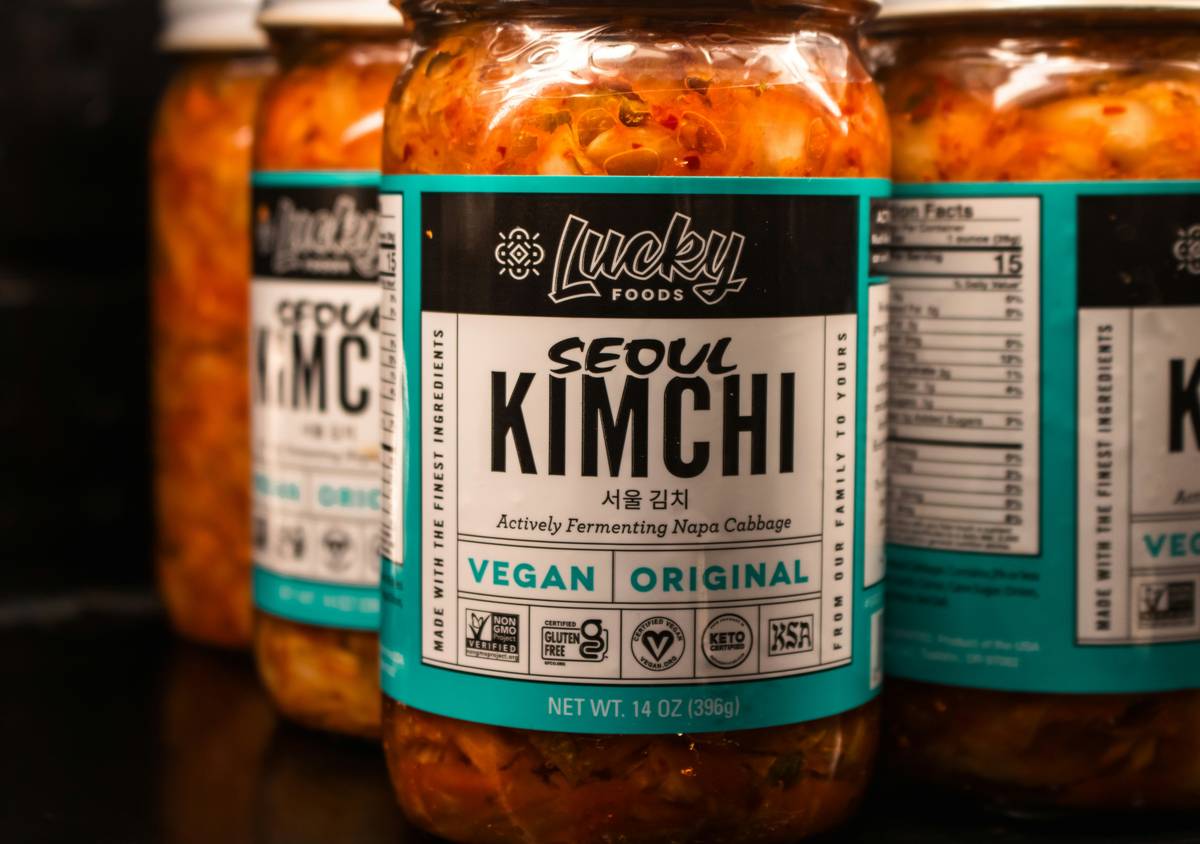
Fermented foods (kefir, kimchi, yogurt) contain diverse microbes but rarely at therapeutic doses or verified strains. Supplements fill the precision gap.
Do probiotics permanently colonize the gut?
No—they’re transient visitors. Consistency matters more than “reseeding forever.” Think of them as temporary peacekeepers, not permanent residents.
Why do some probiotics need refrigeration?
Live bacteria are fragile. Heat, moisture, and oxygen degrade viability. Shelf-stable claims require third-party stability testing—look for “live through expiry” guarantees.
Conclusion
So—why are probiotic strains important for your gut? Because your microbiome isn’t a monolith. It’s a complex ecosystem craving targeted support. Generic blends might add background noise, but strain-specific probiotics deliver the signal your gut actually listens to.
Stop guessing. Start matching. Check labels for full strain names (genus + species + strain code). Prioritize products with human clinical data. And remember: your gut’s health isn’t about popping pills—it’s about precision partnerships with the right microbial allies.
Like a Tamagotchi, your gut needs daily, intentional care—not just occasional panic-feeds.