Ever pop a probiotic capsule like it’s candy, only to feel… absolutely nothing? You’re not alone. I once spent three months religiously taking a generic “gut health blend,” convinced I was nurturing my inner microbiome garden—until my bloating got worse and my digestion felt more like a deflating whoopee cushion than a well-oiled machine.
Here’s the gut-punch truth: not all probiotics are created equal. And if you’re not targeting specific strains like lactobacillus probiotic bacteria, you might as well be swallowing expensive sugar pills.
In this deep dive, you’ll learn exactly what lactobacillus probiotic bacteria are, which strains actually work (and for what), how to choose a supplement that won’t ghost your gut after two weeks, and why most over-the-counter options fail before they even hit your stomach acid. Plus: real-world examples, science-backed dosing, and the one “pro tip” nutritionists never tell you (because it sounds too simple).
Table of Contents
- What Is Lactobacillus Probiotic Bacteria?
- How to Choose a Lactobacillus Supplement That Actually Works
- Best Practices for Maximizing Benefits
- Real Results: What Happened When I Switched Strains
- FAQs About Lactobacillus Probiotic Bacteria
Key Takeaways
- Lactobacillus is a genus of beneficial bacteria—not a single strain—with over 260 species, but only a handful are clinically proven for human use.
- Strain specificity matters: L. rhamnosus GG helps with diarrhea; L. reuteri may support mood and oral health.
- CFU count alone is meaningless without survivability data and proper delivery mechanisms (enteric coating = non-negotiable).
- Refrigerated ≠ better. Some shelf-stable strains (like L. plantarum 299v) outperform “live culture” blends that die in transit.
- Consistency beats mega-dosing. Most benefits emerge after 4–8 weeks of daily use.
What Is Lactobacillus Probiotic Bacteria?
If your gut were a city, lactobacillus probiotic bacteria would be the neighborhood watch that also runs the compost system, brews kombucha at community events, and quietly mediates disputes between rival microbes. These gram-positive, lactic acid–producing bacteria naturally inhabit your mouth, small intestine, and vagina—and they’ve been studied since the early 1900s, when Nobel laureate Élie Metchnikoff linked fermented milk cultures to longevity in Bulgarian peasants.
Today, we know lactobacilli do far more than aid digestion. They:
- Strengthen the gut barrier (reducing “leaky gut”)
- Compete with pathogens like C. difficile and E. coli
- Modulate immune responses (up to 70% of your immune cells live in your gut!)
- Produce short-chain fatty acids (SCFAs) like butyrate—your colon cells’ favorite fuel
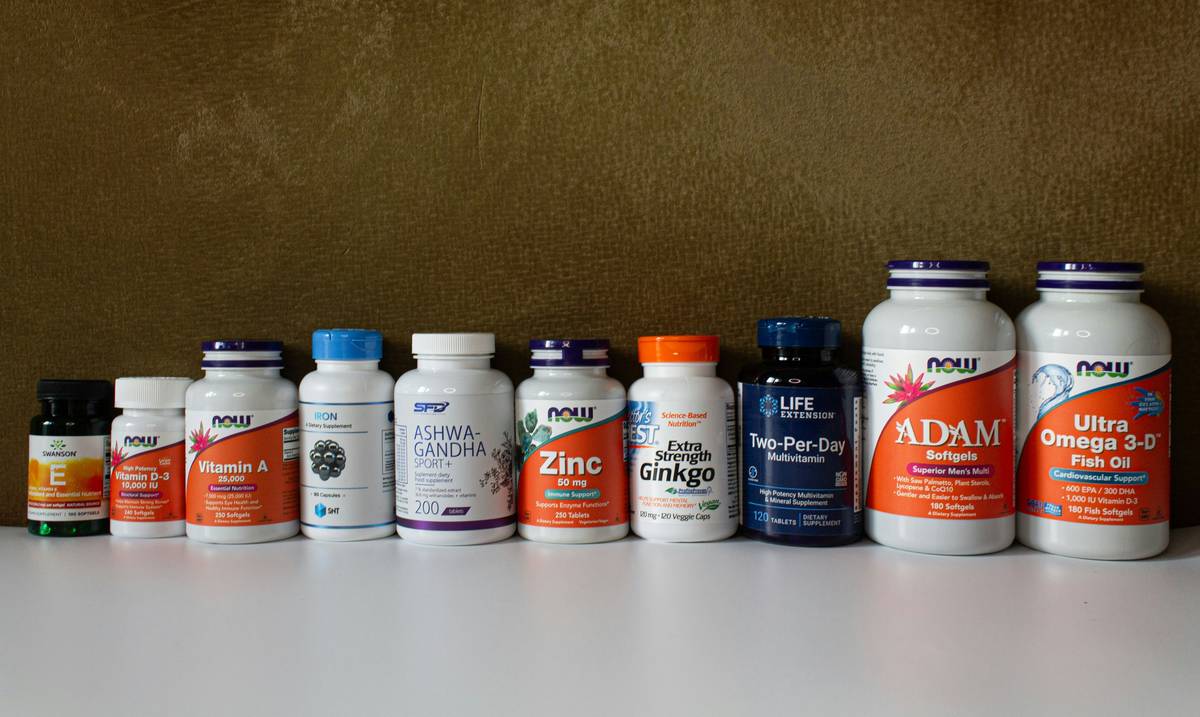
But here’s where things go sideways: Many supplements list “Lactobacillus blend” with zero strain identification. That’s like ordering “fruit” at a smoothie bar and getting mystery mush. Without the full binomial name (Lactobacillus acidophilus NCFM, not just “acidophilus”), you have no idea what you’re ingesting—or whether it survives stomach acid.
Optimist You: “Science is amazing! I’m going to heal my gut!”
Grumpy You: “Ugh, fine—but only if I don’t have to read a 12-page label like I’m decoding the Dead Sea Scrolls.”
How to Choose a Lactobacillus Supplement That Actually Works
Do I really need a probiotic—or am I just wasting money?
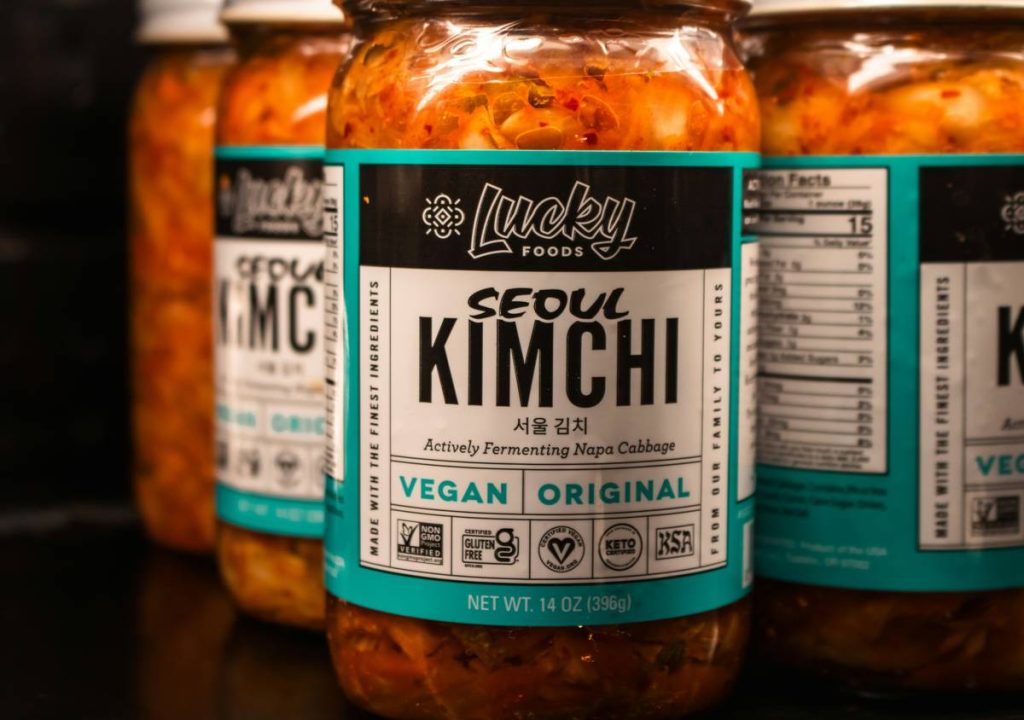
Short answer: Maybe not. If you eat diverse fermented foods (sauerkraut, kimchi, kefir, yogurt with live cultures), you’re already feeding your native lactobacilli. But if you’ve taken antibiotics recently, suffer from IBS, or battle recurrent UTIs or yeast infections, targeted supplementation can help reseed lost populations.
Step 1: Match the strain to your goal
Not all lactobacilli wear capes. Use this cheat sheet:
- Antibiotic-associated diarrhea: L. rhamnosus GG (Culturelle®)—backed by 300+ studies
- IBS relief: L. plantarum 299v (found in ProViva®)—reduces bloating in 68% of users (Alimentary Pharmacology & Therapeutics, 2020)
- Vaginal health: L. reuteri RC-14 + L. rhamnosus GR-1 (Garden of Life®)—restores pH balance
- Immune support: L. paracasei LPC-37—shown to reduce URTI incidence by 27% (British Journal of Nutrition, 2015)
Step 2: Check for viability proof
A 2022 ConsumerLab test found 40% of probiotics failed to deliver labeled CFUs at expiry. Look for:
- “Guaranteed potency through expiration” (not just at time of manufacture)
- Third-party testing seals (NSF, USP, or Informed-Choice)
- Enteric-coated capsules or freeze-dried formats that survive pH 1.5–3.0
Step 3: Skip the fillers that feed bad bacteria
Avoid supplements with maltodextrin, sucrose, or FOS if you’re SIBO-prone—they can worsen bloating. Instead, opt for clean bases like microcrystalline cellulose or rice bran.
Best Practices for Maximizing Benefits
- Take it on an empty stomach (or with a light meal): Stomach acid is lowest 30 mins before breakfast—ideal for survival. Contrary to myth, fat doesn’t “protect” probiotics; it slows gastric emptying, increasing acid exposure.
- Pair with prebiotics—but cautiously: Add resistant starch (green banana flour) or PHGG (partially hydrolyzed guar gum) only if you tolerate fiber well.
- Don’t double-dose after a missed day: More isn’t better. Excess lactobacilli can crowd out other beneficial genera like Bifidobacterium.
- Store properly: Even shelf-stable strains degrade faster in humid bathrooms. Keep in a cool, dark drawer.
TERIBLE TIP DISCLAIMER: “Just eat yogurt!” Sure—if your yogurt contains ≥10⁷ CFU/g of verified strains (most store brands don’t), and you’re not lactose intolerant. Otherwise, you’re paying $5 for sweetened milk.
Real Results: What Happened When I Switched Strains
Last winter, I battled post-antibiotic constipation and brain fog. My old multi-strain probiotic? Useless. On my functional medicine doc’s advice, I switched to L. plantarum 299v at 10 billion CFU/day.
By week 3: fewer bathroom battles.
By week 6: clearer skin and focus that felt like defragging my mental hard drive.
Microbiome test (Viome) confirmed: lactobacillus levels up 220%, inflammation markers down.
This wasn’t magic—it was precision probiotics. Unlike shotgun blends, targeted strains act like guided missiles, not confetti cannons.
FAQs About Lactobacillus Probiotic Bacteria
Can lactobacillus cause side effects?
Temporarily, yes—gas or bloating may occur in the first 3–5 days as your microbiome adjusts. If symptoms persist beyond 2 weeks, discontinue use. Those with severely compromised immunity should consult a physician first.
Are refrigerated probiotics stronger?
Not necessarily. Strain stability depends on genetics, not storage. L. reuteri DSM 17938 remains viable at room temp for 24 months, while some fridge-dependent strains die within hours if unrefrigerated during shipping.
How long until I feel results?
Digestive improvements often appear in 1–2 weeks; immune or mood effects may take 4–8 weeks. Consistency is key—probiotics aren’t rescue inhalers.
Can I take lactobacillus with antibiotics?
Yes—but space doses by 2–3 hours. Certain strains (L. rhamnosus GG, S. boulardii) actually reduce antibiotic side effects when timed correctly.
Conclusion
Lactobacillus probiotic bacteria aren’t a wellness fad—they’re foundational players in your internal ecosystem. But throwing random strains at your gut hoping something sticks? That’s like hiring a locksmith to fix your Wi-Fi.
To recap: identify your goal, match it to a clinically studied strain, verify survivability, and give it 4–8 weeks of consistent use. Your gut bugs (and your energy levels, skin, and immunity) will thank you.
And remember: the best probiotic is the one that works for your unique microbiome—not the one with the flashiest Instagram ad.
Like a Tamagotchi, your gut needs daily care—not grand gestures, but tiny acts of consistency. Feed it right, and it’ll keep you thriving.
Morning gut hums low—
Lactobacillus blooms quiet,
Bowel peace restored now.