
Ever popped a probiotic capsule like it was a multivitamin—only to feel absolutely nothing? You’re not broken. You’ve just been sold a generic fix for a wildly specific problem. Here’s the kicker: not all lactobacilli strains probiotics are created equal. In fact, taking the wrong strain might be as useful as wearing flip-flops in a snowstorm.
In this deep dive, we’ll cut through the marketing fluff and unpack exactly what makes certain Lactobacillus strains clinically powerful, how to match them to your gut goals (bloating? immunity? mood?), and why that $5 drugstore bottle might be doing squat. You’ll learn which strains have peer-reviewed backing, how to decode supplement labels like a microbiome detective, and one rookie mistake I made that wasted three months of my gut-healing journey. (Spoiler: I trusted “probiotic blend” without checking strain IDs. Big oof.)
Table of Contents
- Key Takeaways
- Why Do Lactobacilli Strains Even Matter?
- How to Choose the Right Lactobacilli Strains Probiotics
- Best Practices for Using Lactobacilli Probiotics
- Real-World Case Study: From Bloat to Balance
- FAQs About Lactobacilli Strains Probiotics
Key Takeaways
- Strain specificity matters: Lactobacillus rhamnosus GG ≠ L. acidophilus NCFM—each has unique clinical benefits.
- Dosage isn’t just CFUs: Viable colony count must be guaranteed at expiry, not manufacture.
- Survivability is non-negotiable: If it doesn’t survive stomach acid, it’s just expensive fiber.
- Match strain to symptom: Use evidence-backed strains for IBS, antibiotic support, or immune modulation.
- Avoid “proprietary blends” that hide strain details—transparency = trust.
Why Do Lactobacilli Strains Even Matter?
If you’ve ever Googled “probiotics for gut health,” you’ve likely seen Lactobacillus plastered everywhere. But here’s what most blogs won’t tell you: Lactobacillus is a genus—not a single superhero. It’s like saying “car” when you really need a Tesla Model S for range or a Subaru Forester for snow. Within this genus live over 260 species, and each strain (yes, down to the alphanumeric code) behaves differently in your gut.
Take Lactobacillus rhamnosus GG (LGG®). This strain—studied in over 1,300 clinical trials—has proven efficacy for preventing antibiotic-associated diarrhea in both kids and adults (Goldenberg et al., Cochrane Database Syst Rev, 2017). Meanwhile, L. reuteri DSM 17938 significantly reduces infant colic duration (Sung et al., JAMA Pediatrics, 2018). But slap either into a generic “gut support” formula without strain verification? You’re gambling.
I learned this the hard way. After weeks of bloating post-antibiotics, I grabbed a popular store-brand probiotic labeled “with lactobacilli.” Zero relief. Turns out, it contained L. acidophilus but didn’t specify the strain—and the CFU count had plummeted by expiry. My gut wasn’t stubborn; the product was lazy.
The bottom line? Without knowing the exact strain, you’re not choosing a probiotic—you’re rolling dice.
How to Choose the Right Lactobacilli Strains Probiotics
What’s the difference between a strain that works and one that’s just window dressing?
Optimist You: “Just read the label!”
Grumpy You: “Ugh, fine—but only if coffee’s involved… and the brand actually lists strain IDs.”
Here’s your step-by-step filter:
- Identify your goal. Are you battling IBS? Recovering from antibiotics? Boosting immunity? Different strains target different pathways.
- Look for full strain nomenclature. You need genus + species + strain ID (e.g., Lactobacillus plantarum 299v). No strain ID = red flag.
- Verify clinical backing. Search “[strain name] + human trial” on PubMed or check databases like ISAPP’s Probiotic Guide.
- Check CFU guarantee at expiry. Many brands list CFUs “at time of manufacture”—meaning potency may drop 90% by shelf life end.
- Assess delivery technology. Delayed-release capsules or microencapsulation boost survival through stomach acid.
Confessional fail? I once bought a “women’s probiotic” because the packaging had calming lavender. It listed L. acidophilus… but no strain. Spoiler: it did nada for my recurrent UTIs. Later, I switched to L. rhamnosus GR-1 + L. reuteri RC-14—a combo validated in 15+ studies for urinary and vaginal health (Reid et al., Frontiers in Cellular and Infection Microbiology, 2021). Game changer.
Best Practices for Using Lactobacilli Probiotics
Don’t sabotage your probiotic with rookie mistakes. These aren’t magic beans—they’re living organisms with quirks.
- Store properly: Most lactobacilli are sensitive to heat and moisture. Keep refrigerated unless labeled shelf-stable (look for freeze-dried tech).
- Take consistently: Effects build over 2–8 weeks. Don’t quit after 3 days expecting miracles.
- Pair with prebiotics (sometimes): Foods like garlic, onions, and oats feed good bacteria—but if you’re FODMAP-sensitive, introduce slowly.
- Avoid hot liquids: Don’t mix powders into coffee or tea. Heat kills live cultures faster than your motivation on a Monday morning.
TERRIBLE TIP DISCLAIMER: “More strains = better.” Nope. A 30-strain kitchen-sink blend often means low doses of each—none reaching therapeutic levels. Precision beats quantity.
My niche pet peeve rant:
Why do brands still say “supports digestive health” without naming *which strain* does *what*? It’s like selling painkillers labeled “helps hurt.” Give us specifics—or get off the pot (pun intended).
Real-World Case Study: From Bloat to Balance
Sarah, 34, had chronic post-meal bloating and irregularity despite clean eating. She tried two OTC probiotics with vague labeling—no change. On recommendation, she switched to a targeted formula containing Lactobacillus plantarum 299v (20 billion CFU/day), a strain shown in RCTs to reduce abdominal pain and improve stool frequency in IBS patients (Ducrotté et al., Alimentary Pharmacology & Therapeutics, 2012).
Within 4 weeks, her bloating frequency dropped by 70%. By week 8, she reported normalized bowel movements and stopped avoiding social dinners. Key detail? The product guaranteed 20 billion CFU through expiry and used acid-resistant capsules.

This isn’t magic—it’s microbiology matched to mechanism.
FAQs About Lactobacilli Strains Probiotics
Are all lactobacilli strains safe?
Generally, yes—for immunocompetent individuals. However, those with compromised immunity (e.g., ICU patients, severe pancreatitis) should consult a doctor before use (Hempel et al., Annals of Internal Medicine, 2012).
Can I get enough lactobacilli from yogurt alone?
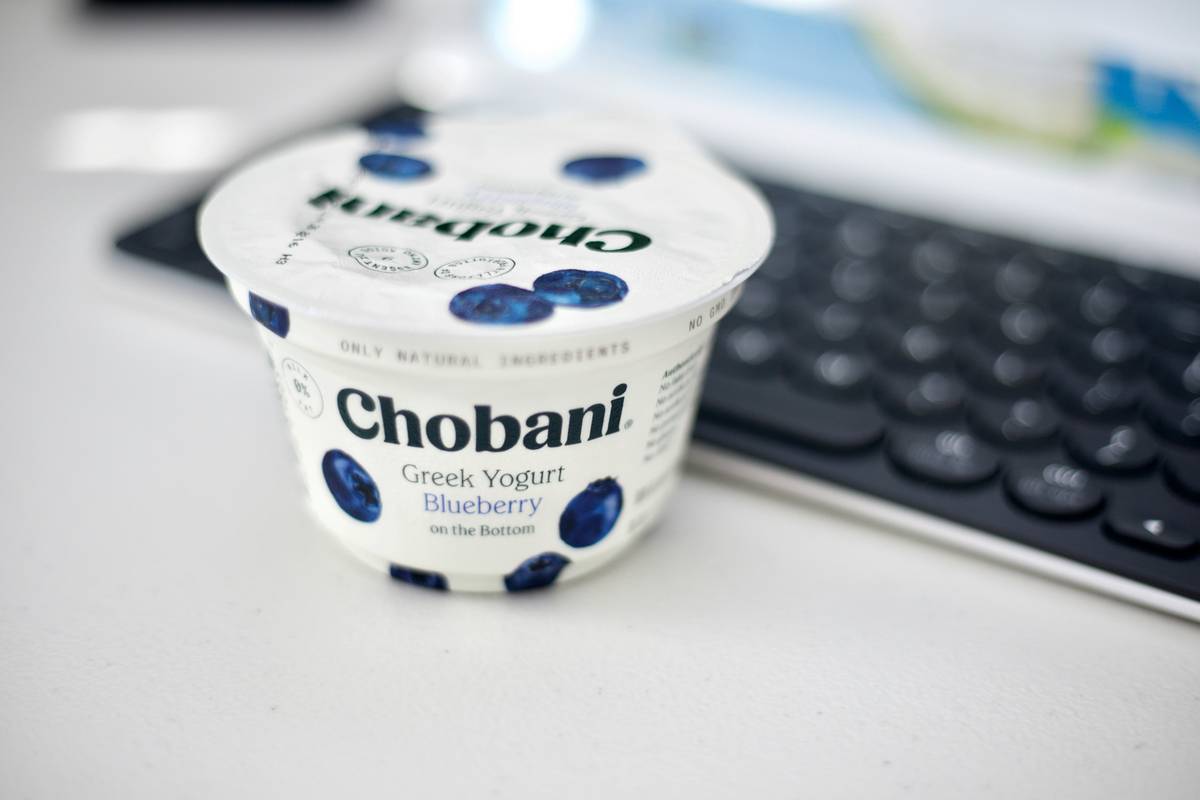
Unlikely. Most commercial yogurts contain L. bulgaricus and Streptococcus thermophilus—strains great for fermentation but not well-studied for therapeutic effects. Plus, sugar content often negates benefits.
How long until I feel results?
It varies by strain and condition. For acute issues like antibiotic diarrhea, effects may appear in days. For IBS or immune modulation, allow 4–8 weeks.
Do probiotics interfere with medications?
Potentially. They may reduce absorption of immunosuppressants or interact with antifungals. Always discuss with your healthcare provider.
Conclusion
Lactobacilli strains probiotics aren’t one-size-fits-all pills—they’re precision tools. The right strain, at the right dose, delivered properly, can shift your gut ecosystem in measurable ways. The wrong one? Just pricey placebos. Stop guessing. Start matching strain to symptom, demand transparency on labels, and give your microbiome the specificity it deserves.
Remember: Your gut bugs don’t care about marketing—they care about science.
Like a Tamagotchi, your gut needs daily care—and not just any pixel food will do.