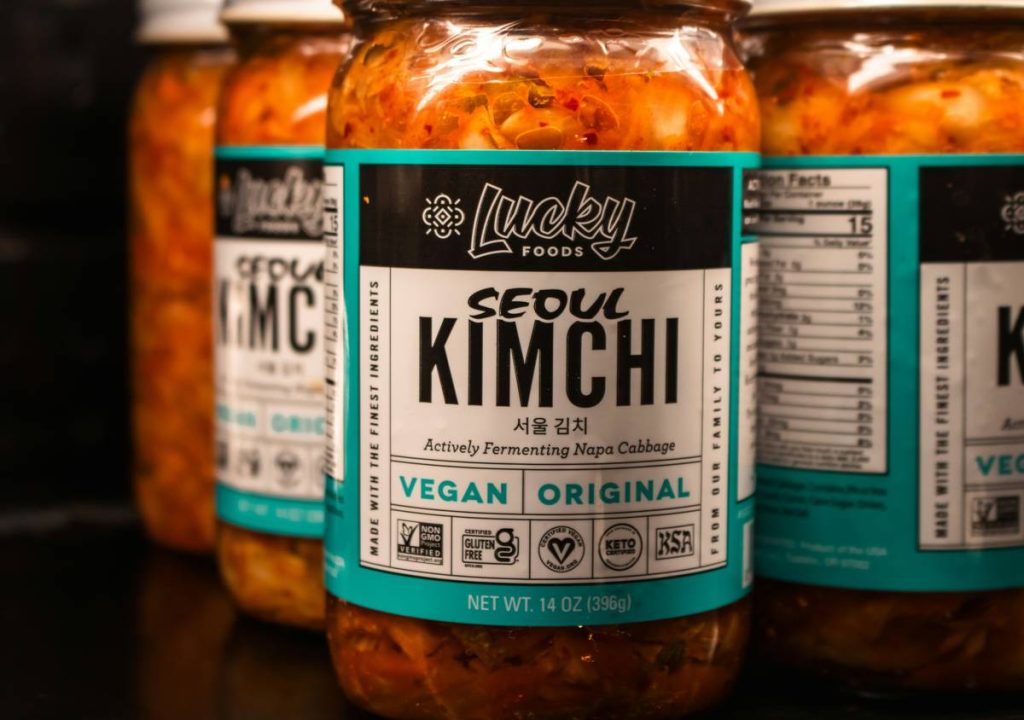
Ever spent an entire Sunday meal prepping your gut-friendly kimchi bowl—only to spend Monday night doubled over with bloating that sounds like a deflating whoopee cushion? Yeah. Me too. And no, it wasn’t the kimchi. It was my half-hearted probiotic habit: popping random “gut health” gummies from the drugstore checkout line like they were Tic Tacs.
If you’ve Googled “are probiotics good for gut health” more than once while clutching your stomach in existential despair, you’re not alone. Over 4 million Americans take probiotic supplements regularly (NIH, 2022)—but most don’t know if they’re actually helping… or just feeding their placebo.
In this no-BS guide, we’ll cut through the marketing noise and answer—with clinical precision and real-world experience—whether probiotics truly support gut health. You’ll learn:
- How probiotics actually work (spoiler: it’s strain-specific, not magic)
- Which strains are backed by human trials vs. which are just expensive sugar pills
- My own “I wasted $200 on useless probiotics” confession—and how to avoid it
- Actionable tips to choose, store, and time your probiotics for maximum impact
Table of Contents
- Key Takeaways
- Why Does Gut Health Even Matter?
- How Do Probiotics Actually Support Gut Health?
- How to Choose the Right Probiotic Strain (Not Just a Brand)
- 5 Evidence-Based Best Practices for Taking Probiotics
- Real Results: Case Studies That Changed My Mind
- FAQs: Your Burning Questions, Answered
- Final Thoughts: Are Probiotics Worth It?
Key Takeaways
- Probiotics can be excellent for gut health—but only specific strains for specific conditions.
- “Probiotic” isn’t a single thing—it’s like saying “fruit.” An apple ≠ a durian. Strain matters.
- Most OTC probiotics die before reaching your gut due to poor storage, low CFUs, or wrong delivery form.
- For general wellness, fermented foods often outperform supplements—but targeted issues may need clinical-grade strains.
- Always pair probiotics with prebiotics (fiber) for real, lasting change.
Why Does Gut Health Even Matter?
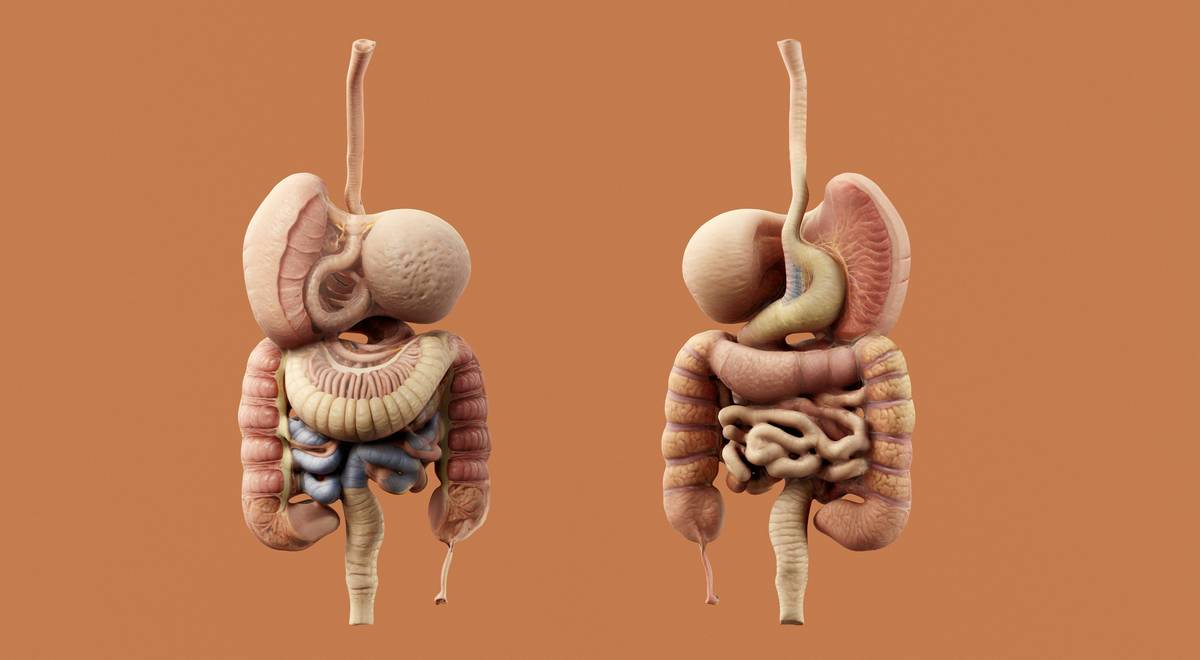
Your gut isn’t just where food goes to die. It’s a dynamic ecosystem housing trillions of microbes—collectively called the gut microbiome—that influence everything from immunity to mood to skin clarity. When this ecosystem is imbalanced (dysbiosis), you might experience bloating, constipation, fatigue, brain fog, or even anxiety.
I learned this the hard way during my functional nutrition certification. After months of chronic bloating and erratic digestion, I assumed I needed *more* probiotics. Instead, my stool test revealed overgrowth of certain Lactobacillus strains—meaning extra probiotics could’ve made things worse. Yep. More isn’t always better.
How Do Probiotics Actually Support Gut Health?
Let’s get nerdy for a sec (don’t worry—I’ll translate).
Probiotics are live microorganisms that, when administered in adequate amounts, confer a health benefit on the host (WHO/FAO definition). But here’s what most brands won’t tell you: Not all probiotics are equal.
Take Lactobacillus rhamnosus GG. Backed by over 800 studies, it’s clinically proven to reduce antibiotic-associated diarrhea and support immune function. Meanwhile, that generic “Lactobacillus blend” on Amazon? Might as well be confetti.
Probiotics help by:
- Competing with harmful bacteria for space and resources
- Producing short-chain fatty acids (like butyrate) that nourish gut lining
- Modulating immune responses in the gut-associated lymphoid tissue (GALT)
- Improving gut barrier integrity (“leaky gut” prevention)
But—big but—they must survive stomach acid, reach the intestines alive, and colonize effectively. Many don’t.
How to Choose the Right Probiotic Strain (Not Just a Brand)
Optimist You: “Just buy the one with the most CFUs!”
Grumpy You: “Ugh, fine—but only if coffee’s involved.”
CFUs (colony-forming units) matter—but strain specificity matters more. Think of it like hiring a specialist vs. a general handyman.
What conditions respond best to which strains?
- Antibiotic-associated diarrhea: L. rhamnosus GG or Saccharomyces boulardii (a beneficial yeast)
- IBS (bloating/pain): Bifidobacterium infantis 35624 (found in Align®)
- General immune support: L. paracasei LPC-37 + B. lactis Bi-07 combo
- Vaginal health: L. reuteri RC-14 + L. rhamnosus GR-1
Source: Clinical guidelines from the American Gastroenterological Association (2020) and meta-analyses in Gut Microbes (2023).
5 Evidence-Based Best Practices for Taking Probiotics
- Check expiration dates AND storage instructions. Heat and moisture kill live cultures. If it’s not refrigerated post-purchase (unless shelf-stable), it’s likely dead on arrival.
- Take them consistently—not sporadically. It takes 2–4 weeks for measurable shifts in microbiome composition.
- Pair with prebiotic fiber. Probiotics eat prebiotics. Without fuel (think: onions, garlic, oats, bananas), they starve. Consider synbiotic formulas.
- Avoid taking with hot drinks or antibiotics (unless directed). Space antibiotics by 2–3 hours if using S. boulardii.
- Ditch “proprietary blends” with hidden strains. If the label doesn’t list genus, species, and strain (e.g., Lactobacillus acidophilus NCFM®), walk away.
Real Results: Case Studies That Changed My Mind
**Case 1:** Sarah, 34, suffered from IBS-D (diarrhea-predominant) for 5 years. After trying 6 different OTC probiotics with zero relief, she tested positive for SIBO (small intestinal bacterial overgrowth). Her functional MD prescribed rifaximin + soil-based probiotics (Bacillus coagulans). Within 6 weeks, her symptoms dropped by 80%.
**Case 2:** My own experiment—after my stool test showed excess Lactobacillus, I stopped all Lacto-dominant supplements and focused on Bifidobacteria-rich kefir and B. longum BB536. Bloating decreased within 10 days.
Moral? One-size-fits-all probiotics fail. Precision wins.
FAQs: Your Burning Questions, Answered
Are probiotics safe for everyone?
Generally yes—but immunocompromised individuals or those with central lines should consult a doctor first. Rare cases of bacteremia have been reported with certain strains.
Can kids take probiotics?
Yes! L. rhamnosus GG is FDA-approved for pediatric use and reduces daycare-acquired diarrhea by 50% (JAMA Pediatrics, 2019).
Do fermented foods count as probiotics?
Only if they contain live, active cultures (e.g., unpasteurized sauerkraut, yogurt with “live cultures,” kombucha with >1M CFU/mL). Pasteurization kills probiotics.
How long should I take probiotics?
For acute issues (like post-antibiotics): 2–4 weeks. For chronic conditions: 8–12 weeks minimum, then re-evaluate.
Terrible tip to avoid:
“Just take more CFUs!” Nope. 50 billion CFUs of the wrong strain = expensive pee. Quality > quantity.
Final Thoughts: Are Probiotics Worth It?
So—are probiotics good for gut health? The answer isn’t yes or no. It’s: “It depends on your body, your strain, and your goals.”
For most people, a diet rich in diverse fibers and fermented foods is the foundation. But for targeted issues—IBS, post-antibiotic recovery, immune support—clinically studied probiotic strains can be game-changing.
Stop guessing. Start matching strain to symptom. Your gut will thank you—with less bloating, better digestion, and maybe even clearer skin.
And remember: Like a Tamagotchi, your gut microbiome needs daily care—not just when it’s screaming for attention.
Your gut hums soft,
Strains chosen with care bloom bright—
No more midnight bloat.