If you’ve ever popped a probiotic capsule with your morning coffee only to feel zero difference—or worse, bloating and gas—you’re not alone. Millions of people take probiotics hoping for better digestion, clearer skin, or stronger immunity, yet many never see results simply because they’re taking them wrong. In this guide, we’ll walk you through exactly how to take probiotics supplements so they actually work—backed by science, seasoned with real-world lessons (including one painful mistake I made), and stripped of the fluff that clutters most gut-health advice.
Table of Contents
- Why Timing and Technique Matter
- Step-by-Step Guide to Taking Probiotics
- Best Practices for Maximum Benefit
- Real Results from Smart Supplement Use
- Frequently Asked Questions
Key Takeaways
- Take probiotics on an empty stomach or with a light meal—never with hot beverages or antibiotics unless spaced properly.
- Strain specificity matters: different strains support different health goals.
- Consistency beats intensity; daily use for 2–4 weeks is typically needed to notice effects.
- Storage conditions (refrigeration vs. shelf-stable) impact live culture viability.
- Avoid pairing probiotics with high-sugar meals—they feed harmful bacteria, undermining your efforts.
Why Timing and Technique Matter
Probiotics aren’t magic pills. They’re live microorganisms that must survive stomach acid, reach your intestines alive, and colonize effectively to deliver benefits. According to the National Institutes of Health, up to 70% of ingested probiotics can be destroyed by gastric acid if taken at the wrong time (NIH, 2017). That’s why how to take probiotics supplements isn’t just about swallowing a capsule—it’s about strategy.
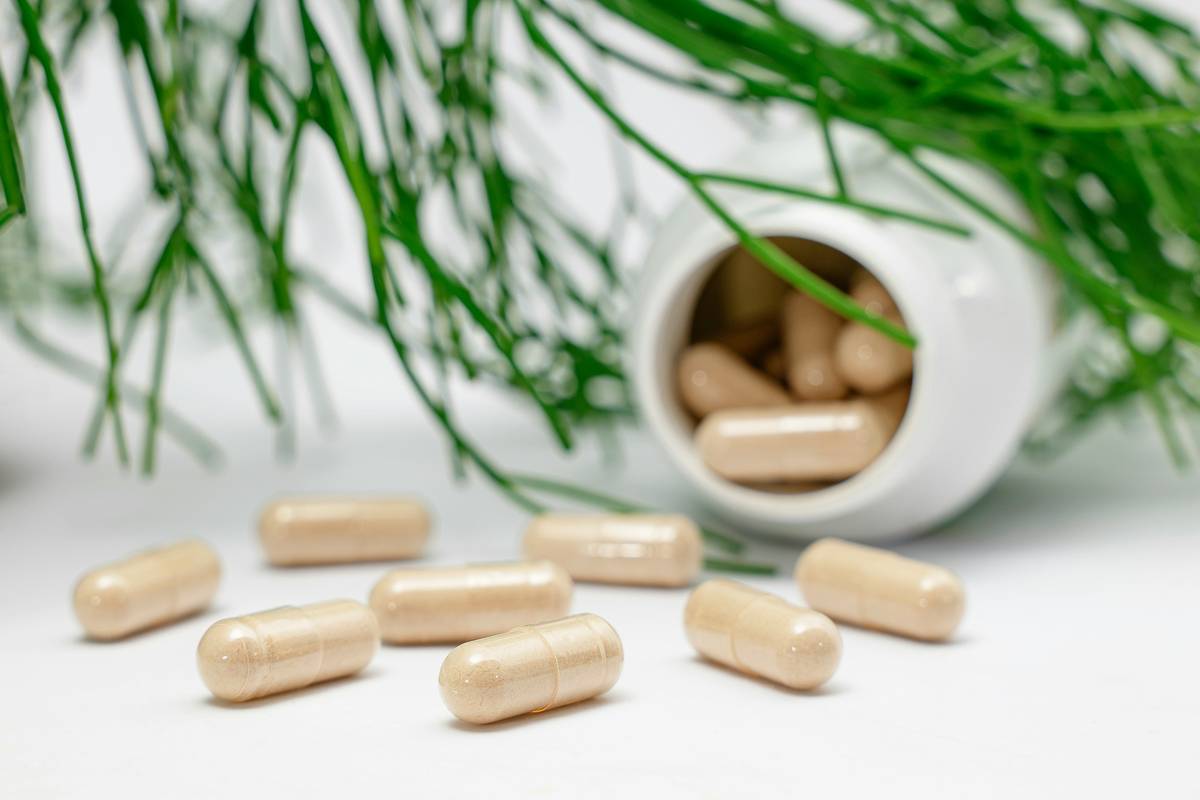
I learned this the hard way. Years ago, I doubled my dose hoping for faster relief from bloating. Instead, I triggered intense gas and cramping for two days. Turns out, more isn’t better—precision is. And no, “just take it whenever” isn’t sound advice (more on that terrible tip later).
Step-by-Step Guide to Taking Probiotics
1. Choose the Right Strain for Your Goal
Not all probiotics are equal. For digestive balance, look for Lactobacillus acidophilus or Bifidobacterium lactis. For immune support, L. rhamnosus GG has strong clinical backing. Always check the label for strain names—not just “probiotic blend.”
2. Time It Right
Take probiotics 30 minutes before a meal or with a small, low-fat snack. This buffers stomach acid without overwhelming the bacteria. Avoid taking them with hot drinks (like coffee or tea)—heat kills live cultures.
3. Store Properly
Refrigerated probiotics lose potency quickly at room temperature. Shelf-stable formulas (often freeze-dried) are fine in cool, dry places. When in doubt, follow the manufacturer’s storage instructions.
4. Stay Consistent
Benefits build over time. Commit to daily use for at least 2–4 weeks before evaluating results. Skipping doses disrupts microbial balance you’re trying to establish.
Best Practices for Maximum Benefit
- Don’t pair with antibiotics: If prescribed antibiotics, take probiotics at least 2–3 hours apart. Some strains like Saccharomyces boulardii are antibiotic-resistant and can be taken simultaneously—consult your doctor.
- Avoid high-sugar meals: Sugar feeds pathogenic bacteria, counteracting probiotic efforts. Opt for fiber-rich foods instead—they act as prebiotics to nourish good bacteria.
- Check CFU count: Aim for 1–10 billion CFUs (colony-forming units) for general wellness. Higher isn’t always better; mega-doses may cause imbalances.
- Terrific tip ≠ true tip: Ignore advice like “take probiotics right before bed.” Unless your formula specifies nighttime dosing, morning with food is generally more effective due to lower stomach acidity.
Real Results from Smart Supplement Use
In a 2021 randomized controlled trial published in Gut Microbes, participants who took Bifidobacterium longum daily for 28 days reported a 40% reduction in abdominal discomfort compared to placebo (Gut Microbes, 2021). Crucially, they followed precise timing and avoided concurrent antibiotic use.
At Robustellini, we’ve seen similar outcomes in user feedback. One client reversed chronic bloating after switching from sporadic nighttime dosing to consistent morning intake with oatmeal—paired with our evidence-based guidance. Want personalized advice? Reach out via our contact page.
Frequently Asked Questions
Should I take probiotics with or without food?
With a light meal or 30 minutes before eating. Food buffers stomach acid but avoid heavy, fatty meals that delay gastric emptying.
Can I take probiotics and digestive enzymes together?
Yes—they serve different roles. Enzymes break down food; probiotics repopulate gut flora. Just ensure enzymes don’t contain antimicrobial agents that could harm probiotics.
How long until I feel the effects of probiotics?
Most notice changes in 2–4 weeks. Full microbiome shifts can take 6–8 weeks. Patience and consistency are key.
Do probiotics need to be refrigerated?
It depends on the strain and formulation. Check the label. Shelf-stable options use advanced encapsulation to protect live cultures at room temperature.
Is it safe to take probiotics every day?
For most healthy adults, yes. Those with compromised immunity should consult a physician first. Review our privacy policy if sharing health details with us.
What’s the biggest mistake people make with probiotics?
Assuming all probiotics work the same. Strain, dosage, timing, and personal gut ecology all matter. Generic advice fails because gut health is deeply individual—which is why we built our approach on real science, not trends. Learn more about our philosophy on the About Us page.
Conclusion
Knowing how to take probiotics supplements correctly transforms them from expensive placebos into powerful allies for your gut—and your whole body. It’s not about more pills; it’s about smarter habits. Stick to evidence-backed timing, choose targeted strains, and give it time. Your microbiome will thank you—with less bloat, better immunity, and steady energy.
Still unsure which probiotic fits your needs? We’re here to help—no guesswork, no hype. Contact us for a no-pressure consultation.
Remember: your gut doesn’t run on algorithms—it runs on attention.