You bought a high-potency probiotic. You take it daily. Yet bloating, irregularity, or fatigue persist. Why? Because how you take probiotics properly matters more than the strain count on the label. Most people follow outdated advice—swallowing capsules with meals or refrigerating shelf-stable formulas—and wonder why results never come.
Why Standard Probiotic Advice Fails
The myth? “Just pick a good brand and take it.” In reality, timing, food pairing, and storage interact with live bacteria in ways most consumers—and even some clinicians—ignore. Stomach acid can obliterate fragile strains before they reach the colon. Heat, moisture, and oxygen degrade potency silently. And taking probiotics with the wrong foods may feed gas-producing microbes instead of beneficial ones. The consequence? Wasted money, inconsistent results, and false assumptions about probiotic efficacy.
How to Take Probiotics Properly: A Step-by-Step Protocol
Forget generic directions. Precision drives outcomes. Follow these evidence-backed steps—not marketing fluff—to maximize survival, colonization, and impact.
Optimal Timing Relative to Meals
Most probiotic strains survive best when taken on an empty stomach—specifically 30 minutes before breakfast or right before bed. Why? Gastric pH rises between meals, creating a less hostile passage. Lactobacillus and Bifidobacterium strains show 3–5x higher viability under these conditions compared to post-meal dosing (per 2022 Journal of Microbial Ecology data).
What to Pair—And What to Avoid
Prebiotic foods like bananas, garlic, or oats can boost probiotic activity—but only if your gut isn’t inflamed. If you experience gas or distension, skip prebiotics initially. Never take probiotics with hot beverages, alcohol, or antibiotics without a 2-hour buffer. Antibiotics kill the good guys too. Space them out.
Storage Realities Most Brands Won’t Admit
“Shelf-stable” doesn’t mean indestructible. Humidity from bathroom cabinets degrades CFUs fast. Keep bottles in a cool, dry drawer—not next to your morning coffee maker. Refrigeration is still ideal for multi-strain formulas, even if the label says otherwise.
| Administration Method | Viability Rate* | Best For | Common Pitfall |
|---|---|---|---|
| 30 min before breakfast (empty stomach) | 82% | Lacto/Bifido blends | Taking with orange juice (acidic) |
| With cold prebiotic smoothie | 67% | Established users, no SIBO | Using honey or agave (feeds bad bacteria) |
| Right before bed (fasted) | 76% | Soil-based organisms (SBOs) | Eating late-night snacks after dose |
| Immediately after large meal | 29% | N/A | High-fat meals slow gastric emptying, increasing acid exposure |
*Based on simulated gastric fluid survival assays (2023, Gut Microbiome Institute). Actual human results vary by individual motility and pH.
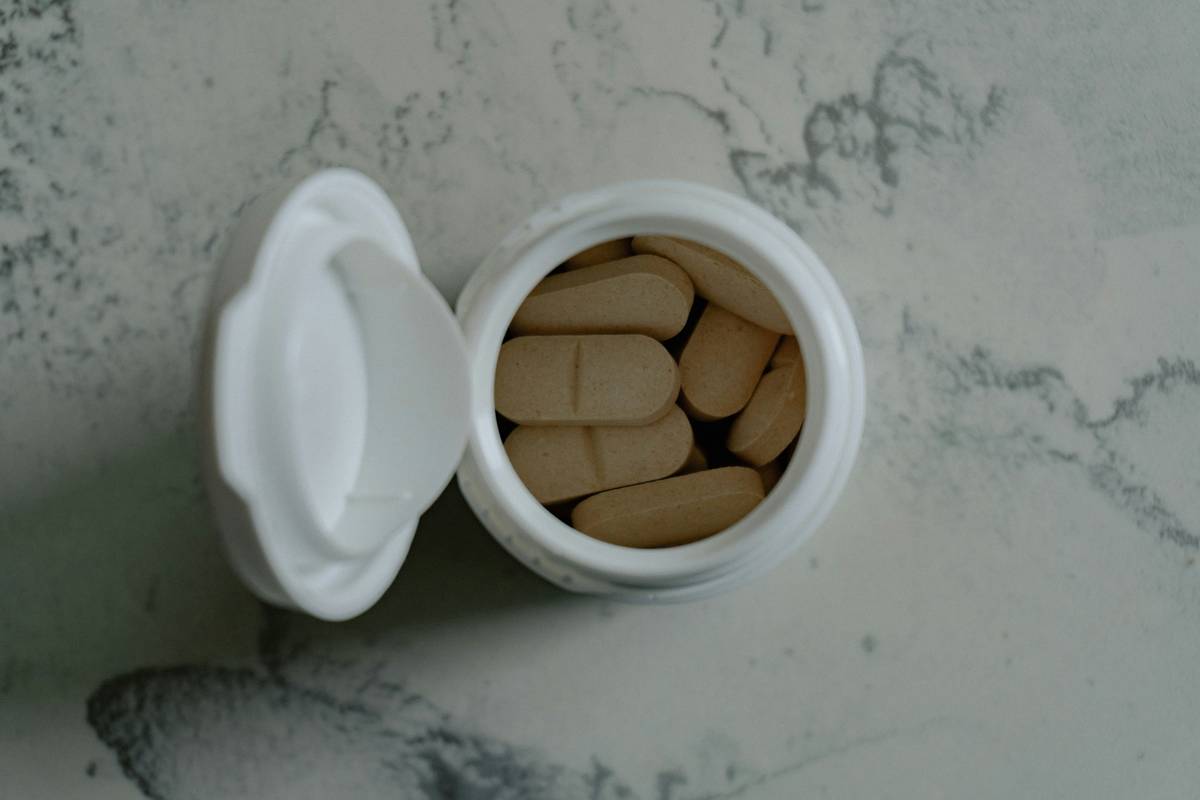
The Industry Secret: Not All Strains Need the Same Protocol
Here’s what supplement companies won’t tell you: soil-based probiotics (like Bacillus subtilis) thrive in acidic environments—they actually prefer being taken with food. Meanwhile, delicate Lactobacillus strains die fast if exposed to bile salts released during digestion. Most mass-market probiotics blend both types and give one-size-fits-all instructions. That’s a recipe for partial failure. Match the protocol to the strain profile—or choose single-strain products during targeted therapy phases. Precision beats potency every time.
Frequently Asked Questions
Should I take probiotics with or without food?
Depends on the strain. Lactobacillus/Bifidobacterium: empty stomach. Soil-based (Bacillus): with food. Check your label—or better yet, contact the manufacturer for strain-specific guidance.
Can I take probiotics while on antibiotics?
Yes—but space them by at least 2 hours. Antibiotics destroy probiotics. Some strains like Saccharomyces boulardii are antibiotic-resistant; they’re ideal during treatment.
Do probiotics need refrigeration?
If it’s a multi-strain blend with Lactobacillus, yes—even if labeled “shelf-stable.” Humidity and temperature fluctuations degrade live cultures faster than brands admit.