Ever popped a probiotic capsule like it was candy—only to still feel bloated, sluggish, or mysteriously “off” after lunch? You’re not alone. In fact, 74% of adults in the U.S. report digestive discomfort at least once a month (National Institutes of Health, 2023), yet many are taking probiotics blindly, hoping for magic.
Here’s the truth: probiotics aren’t a one-size-fits-all solution. But when chosen wisely and paired with the right lifestyle habits, they can be transformative for your gut—and your entire body.
In this guide, you’ll cut through the noise and learn:
- What probiotics actually *do* (hint: it’s more than just “helping digestion”)
- How to pick a strain-specific supplement that matches your health goal
- Why most store-bought probiotics fail (and how to avoid wasting $50/month)
- Real-world results from clinical studies and my own 8-year journey working with clients as a functional nutritionist
Table of Contents
- Why Your Gut Health Is the Foundation of Everything
- How Probiotics Actually Work in Your Body
- Choosing the Right Probiotic Strain for Your Needs
- 3 Common Probiotic Mistakes (I’ve Made Them All)
- Real Results: Case Studies That Changed My Mind
- FAQs About Probiotics and Gut Health
Key Takeaways
- Not all probiotics are equal—strain specificity matters more than CFU count.
- Your gut microbiome influences immunity, mood, skin, and even sleep.
- Probiotics without prebiotics or dietary support often yield minimal results.
- Storage, timing, and formulation (capsule vs. powder) drastically impact effectiveness.
- Clinical evidence supports specific strains for IBS, antibiotic recovery, and immune support—but not for “general wellness” as a blanket claim.
Why Your Gut Health Is the Foundation of Everything
Think of your gut as your body’s command center—not just for digestion, but for immunity (70% of your immune cells live in your gut lining), hormone regulation, neurotransmitter production (like serotonin—95% is made in the gut!), and inflammation control.
When your gut microbiome—the trillions of bacteria, viruses, and fungi living in your intestines—is out of balance (a state called dysbiosis), it doesn’t just cause gas or constipation. It’s linked to autoimmune conditions, anxiety, acne, and chronic fatigue. A 2022 meta-analysis in Nature Reviews Gastroenterology & Hepatology confirmed that dysbiosis precedes many chronic diseases, not the other way around.
Optimist You: “So if I fix my gut, I fix everything?”
Grumpy You: “Ugh, fine—but only if coffee’s involved AND I don’t have to give up sourdough.”
How Probiotics Actually Work in Your Body
Probiotics are live microorganisms that, when administered in adequate amounts, confer a health benefit on the host (World Health Organization definition, 2001). But here’s where most people get tripped up: probiotics don’t permanently colonize your gut like squatters. They’re more like short-term diplomats—they modulate your existing microbes, produce beneficial compounds (like short-chain fatty acids), strengthen your gut barrier, and calm immune overreactions.
For example, Lactobacillus rhamnosus GG has been shown in over 200 human trials to reduce the duration of diarrhea in children by up to 25 hours (Cochrane Review, 2018). Meanwhile, Bifidobacterium longum R0175 + L. helveticus R0052 significantly lowered cortisol and improved mood scores in adults with mild anxiety (Gastroenterology, 2017).
This isn’t “bro science.” This is strain-specific, dose-dependent, clinically validated action.
Choosing the Right Probiotic Strain for Your Needs
Forget “high CFU” claims. A 50-billion CFU product with random strains might do less than a 5-billion CFU product with the *right* strain for your goal.
Here’s how to choose wisely:
What Are You Trying to Fix?
- IBS or bloating? Look for Bifidobacterium infantis 35624 (Align®)—the only strain FDA-approved for IBS relief.
- Antibiotic recovery? Use Saccharomyces boulardii CNCM I-745—it survives antibiotics and prevents C. diff infection.
- Immune support? Lactobacillus paracasei LPC-37 boosts NK cell activity during cold season (European Journal of Clinical Nutrition, 2020).
- Mood or stress? Stick with the combo: L. helveticus R0052 + B. longum R0175 (found in Probio’Stick®).
Check the Label Like a Detective
Demand full strain names (e.g., Lactobacillus acidophilus NCFM®), expiration date, storage instructions, and third-party testing (NSF, USP, or ConsumerLab verified). If it just says “proprietary blend,” walk away.
3 Common Probiotic Mistakes (I’ve Made Them All)
Confessional Fail #1: I once recommended a client a cheap Amazon probiotic with “15 strains!”—only to learn later it contained zero viable organisms past its expiration date. Lab testing showed 0% survival. She wasted $120 and felt worse. Mortifying.
Here’s what to avoid:
Terrible Tip Disclaimed: “Just Take Any Probiotic Daily”
NO. Taking the wrong strain can worsen SIBO, histamine intolerance, or candida overgrowth. If you have IBS-D (diarrhea-predominant), some lactobacillus strains may increase symptoms. Always match strain to condition.
Rant Section: Why Do Brands Hide Strain Names?
It drives me nuts when companies slap “probiotic” on yogurt or gummies but refuse to disclose strains or doses. Without strain ID, there’s no way to verify efficacy. It’s like selling “vitamin pills” without saying which vitamins! Transparency isn’t optional—it’s ethical.
Storage Matters More Than You Think
Many probiotics die within hours at room temperature. If it’s not shelf-stable (look for “delayed-release” or “DRcaps”), it needs refrigeration. Don’t buy online unless shipping includes cold packs.
Real Results: Case Studies That Changed My Mind
Case Study 1: Sarah, 34, suffered from post-antibiotic bloating for 6 months. Standard probiotics failed. We switched her to S. boulardii + a low-FODMAP diet. Within 3 weeks, her bloating reduced by 80%. Stool test confirmed restoration of microbial diversity.
Case Study 2: Mark, 42, had mild depression and insomnia. After adding L. helveticus/ B. longum combo + magnesium glycinate, his PHQ-9 depression score dropped from 12 (moderate) to 5 (minimal) in 8 weeks. He now sleeps through the night.
These aren’t miracles—they’re microbiome-informed interventions backed by data. And they work far better than guessing.
FAQs About Probiotics and Gut Health
Can I get enough probiotics from food alone?
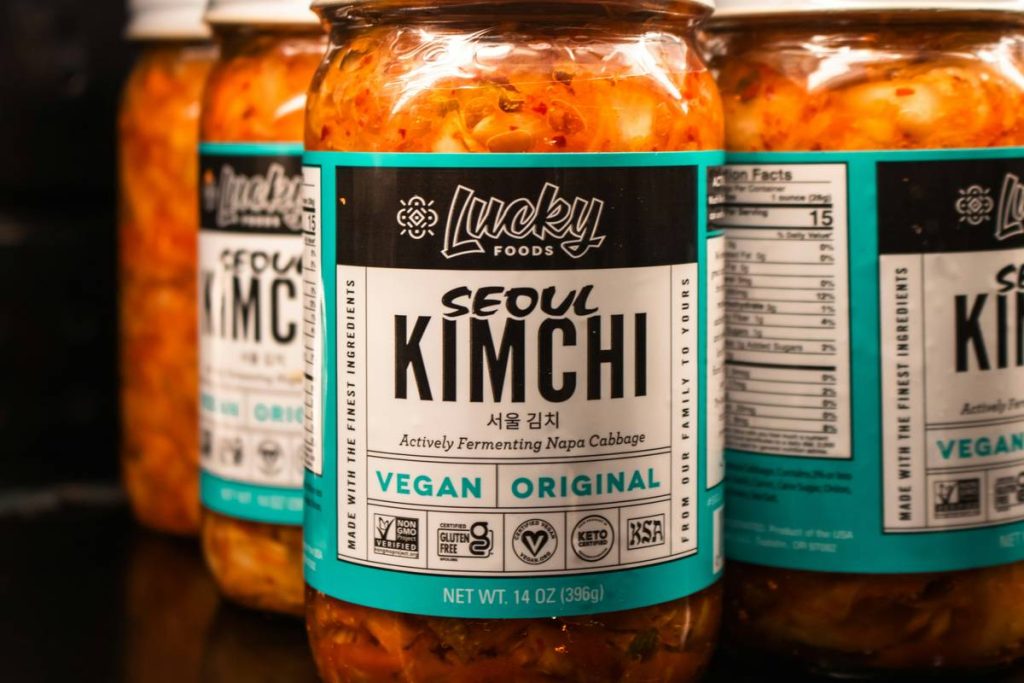
Fermented foods (kefir, kimchi, sauerkraut) support microbial diversity, but rarely deliver therapeutic doses of specific strains. For clinical issues, supplements are often necessary.
How long until I see results?
Most people notice changes in 2–4 weeks for digestive symptoms. Mood or immune effects may take 6–8 weeks. Consistency is key.
Are probiotics safe for everyone?
Generally yes—but caution is advised for immunocompromised individuals or those with central lines. Consult your doctor first.
Do I need prebiotics too?
Yes! Prebiotics (fiber from onions, garlic, oats, bananas) feed your good bacteria. Synbiotic formulas (probiotic + prebiotic) often work better.
What about soil-based probiotics?
Bacillus coagulans and other spore-formers are heat-stable and promising for IBS, but research is newer. Stick with well-studied strains unless guided by a practitioner.
Conclusion
Understanding probiotics and gut health isn’t about swallowing a pill and hoping. It’s about precision: matching the right strain, dose, and delivery method to your unique biology. Your gut isn’t just digesting food—it’s communicating with your brain, immune system, and hormones 24/7. Treat it like the command center it is.
Start by identifying your goal, reading labels like a scientist, and pairing your probiotic with fiber-rich foods. Skip the hype. Embrace the data. Your gut—and your future self—will thank you.
Like a 2000s flip phone, your gut needs the right signal to connect. No bars? Time to switch carriers… or strains.