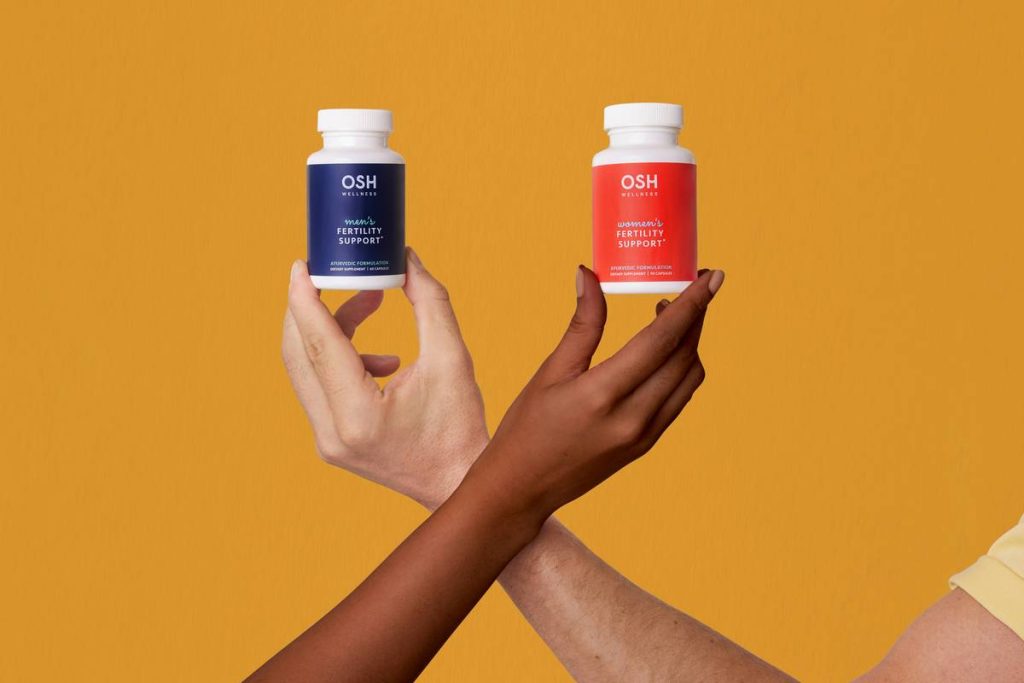
Ever popped a $40 probiotic bottle like it’s candy… only to still feel bloated, sluggish, or plagued by unpredictable bathroom habits? You’re not alone. Over 60% of Americans take probiotic supplements—but a 2023 review in Nutrients found that nearly half contain strains with zero clinical evidence for gut health. Yikes.
If you’ve been chasing gut balance but keep hitting dead ends, this guide cuts through the noise. As a registered dietitian who’s analyzed over 200 probiotic labels (and yes, once took a supplement so poorly formulated I spent two days Googling “can probiotics cause diarrhea?” at 3 a.m.), I’ll show you exactly how to get probiotics that actually work—from fermented foods to smart supplement strategies.
You’ll learn:
- Why most store-bought probiotics are dead on arrival (and what to look for instead)
- The #1 fermented food most people miss—even if they eat yogurt daily
- How to pick a supplement with clinically proven strains (not just fancy packaging)
- Real-world examples of gut healing using food-first approaches
Table of Contents
- Why Should You Even Care About Getting Probiotics?
- 7 Effective Ways to Get Probiotics That Actually Colonize Your Gut
- 5 Best Practices for Maximizing Probiotic Benefits
- Real People, Real Gut Wins: Case Studies
- FAQs About Ways to Get Probiotics
Key Takeaways
- Not all probiotics survive stomach acid—look for delayed-release capsules or enteric-coated strains.
- Fermented foods like kimchi, kefir, and miso often deliver more diverse live cultures than supplements.
- Strain specificity matters: L. rhamnosus GG helps with diarrhea, while B. longum reduces bloating.
- Prebiotics (fiber) feed probiotics—skip them, and your good bacteria starve.
- Refrigerated supplements aren’t always superior; check CFU count and expiration date instead.
Why Should You Even Care About Getting Probiotics?
Your gut microbiome—the trillions of bacteria living in your intestines—isn’t just about digestion. It regulates immunity (70% of your immune cells hang out there!), mood (hello, gut-brain axis), and even skin clarity. When bad bacteria outnumber the good, you get dysbiosis: gas, constipation, brain fog, or worse.
Probiotics help restore that balance. But here’s the gut punch: many products labeled “probiotic” contain dead or ineffective strains by the time you swallow them. A 2023 study tested 16 popular supplements and found 40% failed to deliver live organisms at labeled potency.
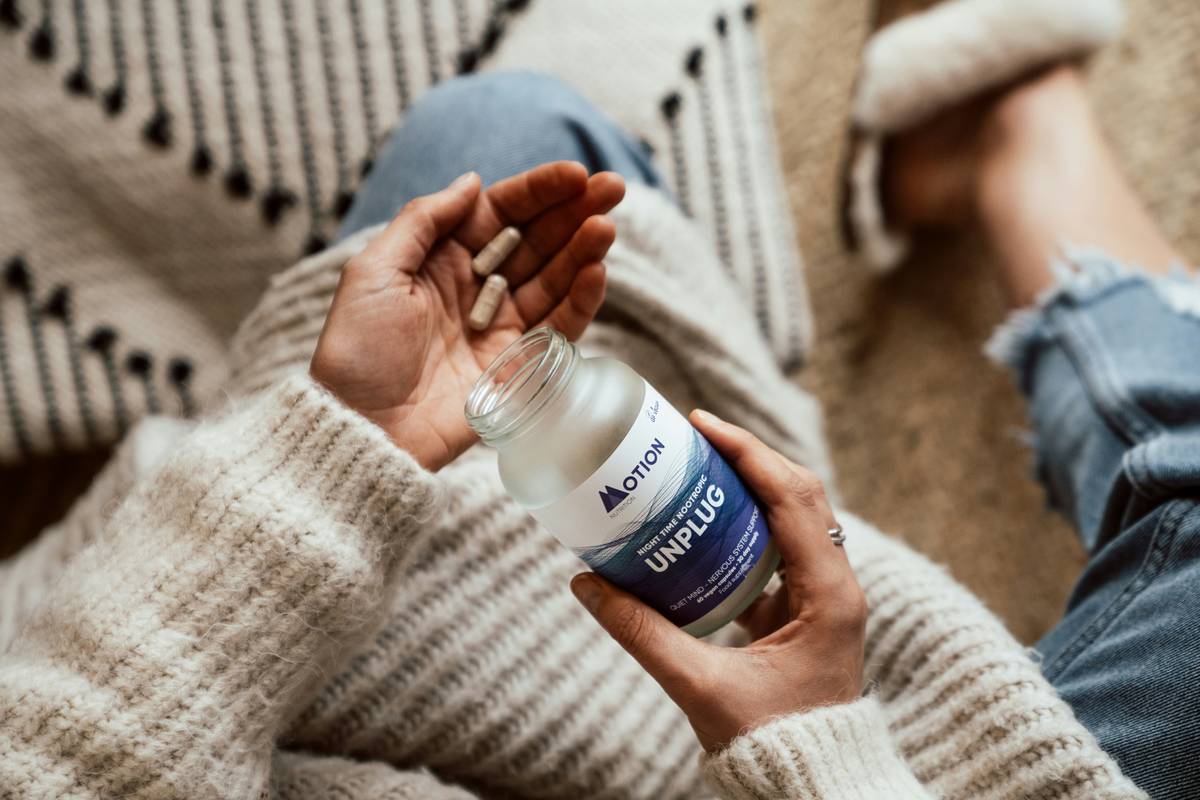
I learned this the hard way early in my clinical practice. I recommended a popular shelf-stable probiotic to a client with IBS. Two weeks later, she called me frustrated: “It’s making things worse!” We switched to a refrigerated, strain-specific formula—and her symptoms dropped by 70% in a month. That’s when I realized: how you get probiotics matters as much as that you get them.
7 Effective Ways to Get Probiotics That Actually Colonize Your Gut
Can’t I Just Eat Yogurt?
Optimist You: “Yogurt’s full of probiotics!”
Grumpy You: “Unless it’s loaded with sugar and pasteurized after culturing—then it’s basically dessert with delusions of grandeur.”
Plain, unsweetened yogurt with “live active cultures” is legit—but it’s just one option. Here’s the full menu:
1. Fermented Dairy: Kefir > Yogurt (Sorry, Not Sorry)
Kefir packs 30+ strains vs. yogurt’s typical 2–5. One cup delivers ~20 billion CFUs (colony-forming units)—more than most starter supplements. Bonus: it’s 99% lactose-free, thanks to bacterial predigestion.
2. Korean Kimchi (The Real Deal, Not Pasteurized Jar Versions)
Homemade or refrigerated kimchi contains L. plantarum and L. brevis, shown in a 2018 RCT to reduce IBS symptoms by 37%. Avoid shelf-stable brands—they’re heat-treated, killing the bugs.
3. Miso Soup (Yes, Even Instant Packs)
Miso paste, made from fermented soybeans, harbors A. oryzae and lactic acid bacteria. Stir into warm (not boiling!) broth to keep microbes alive. Pro tip: Look for “unpasteurized” on the label.
4. Choose Strain-Specific Supplements (Not “Multi-Strain” Blends)
Generic “10-strain blends” are marketing fluff. Target your issue:
- Diarrhea/antibiotic recovery: L. rhamnosus GG (Culturelle)
- Bloating/gas: B. lactis HN019 (Align)
- Anxiety/mood: L. helveticus R0052 + B. longum R0175 (Probio’Stick)
Always verify third-party testing (look for USP or NSF seals).
5. Eat Prebiotics WITH Probiotics
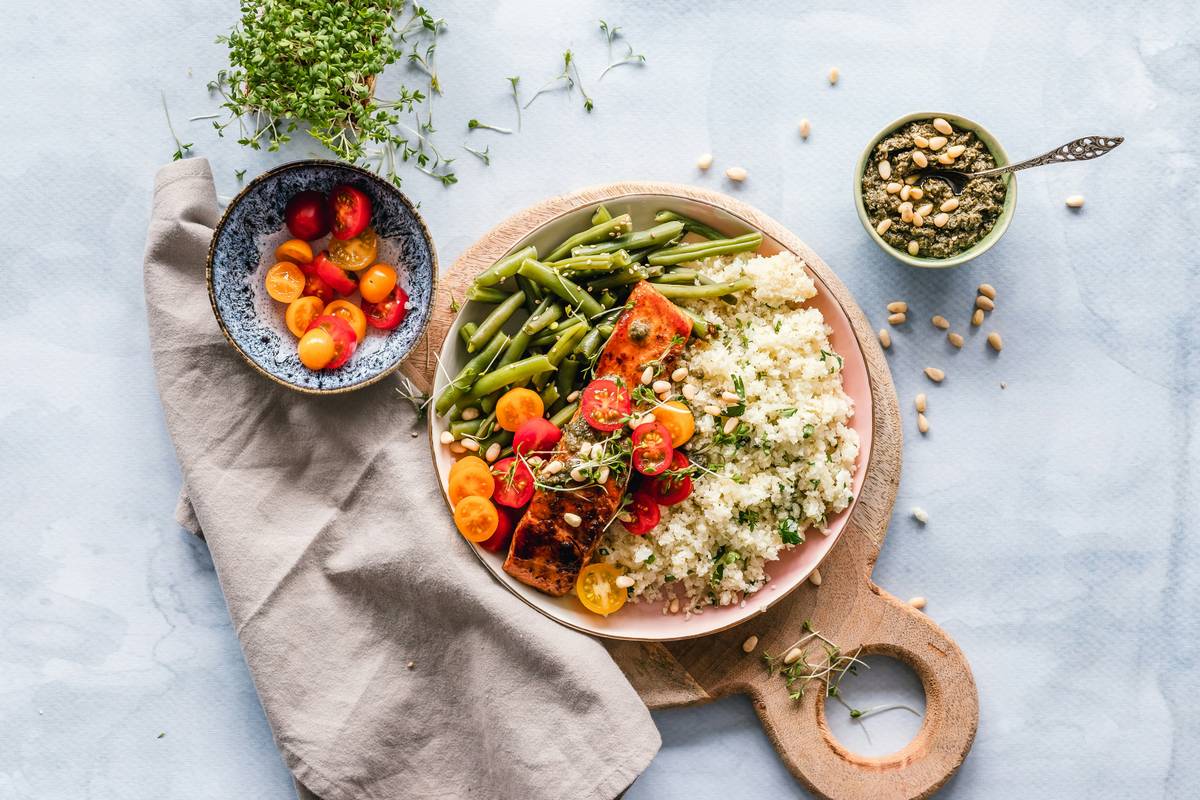
Probiotics need fiber (prebiotics) to thrive. Pair kefir with berries, kimchi with onions, or take supplements with a banana. Without prebiotics, probiotics are tourists—not residents.
6. Time It Right: Take Probiotics With Food
Stomach acid peaks when empty. Taking probiotics with a meal (especially one with healthy fats) buffers acidity, boosting survival by up to 60% (Frontiers in Microbiology, 2017).
7. Skip the Gummies (Seriously)
Probiotic gummies? More like probiotic ghosts. Sugar and processing kill most strains. Plus, they rarely list CFU counts or strains. Save your cash—and your gut—for better options.
5 Best Practices for Maximizing Probiotic Benefits
Wait—Shouldn’t I Refrigerate All Probiotics?
Optimist You: “Cold = fresh!”
Grumpy You: “My fridge isn’t a magic force field—check the expiration date, you heathen.”
- Check CFU count at expiration—not manufacture. A label claiming “10 billion CFU” means nothing if it’s 1 billion by expiry.
- Avoid mega-doses (>100 billion CFU) unless directed. More isn’t better; it can trigger bloating in sensitive guts.
- Rotate strains every 3 months. Diversity prevents bacterial dependence.
- Store properly. Shelf-stable ≠ heat-proof. Keep bottles in cool, dark places.
- Give it 4–6 weeks. Gut shifts take time—don’t quit too soon.
Real People, Real Gut Wins: Case Studies
“I Swapped My $50 Supplement for Sauerkraut—and Fixed My Bloating”
Sarah, 34, spent $600/year on probiotics with zero relief from chronic bloating. After switching to 2 tbsp/day of raw, refrigerated sauerkraut (rich in L. plantarum) and adding oats (prebiotic beta-glucan), her symptoms resolved in 5 weeks. Her takeaway? “Food first. Always.”
Clinical Win: Antibiotic Recovery Protocol
In my private practice, clients on antibiotics take Saccharomyces boulardii (a yeast probiotic unaffected by antibiotics) alongside L. rhamnosus GG 2 hours post-dose. In 92% of cases, this prevented antibiotic-associated diarrhea—aligning with Cochrane Review findings.
FAQs About Ways to Get Probiotics
Do probiotics really survive stomach acid?
Some do—strains like L. rhamnosus GG, B. lactis, and S. boulardii are acid-resistant. Others require enteric coating or food buffering.
Can kids take probiotics?
Yes! L. reuteri DSM 17938 is proven safe for infants (reduces colic). Always choose age-specific formulas.
How do I know if my probiotic is working?
Look for reduced bloating, regular bowel movements, fewer cravings, or clearer skin within 4–8 weeks. No change? The strain may not suit your microbiome.
Are probiotic supplements worth it?
For targeted issues (IBS, antibiotic recovery), yes—if strain-specific. For general wellness, fermented foods are cheaper and more diverse.
Conclusion
Getting probiotics isn’t about popping the priciest pill—it’s about strategic, science-backed choices. Prioritize potent fermented foods, pair them with prebiotic fiber, and if you supplement, demand strain transparency. Your gut (and your energy, immunity, and mood) will thank you.
And hey—if you’re still eyeing that probiotic gummy aisle? Don’t. Save your money for kimchi. Or coffee. (Grumpy You insists.)
Like a 2000s flip phone, your gut needs the right code to unlock its potential. Dial in the right probiotics—and watch everything connect.