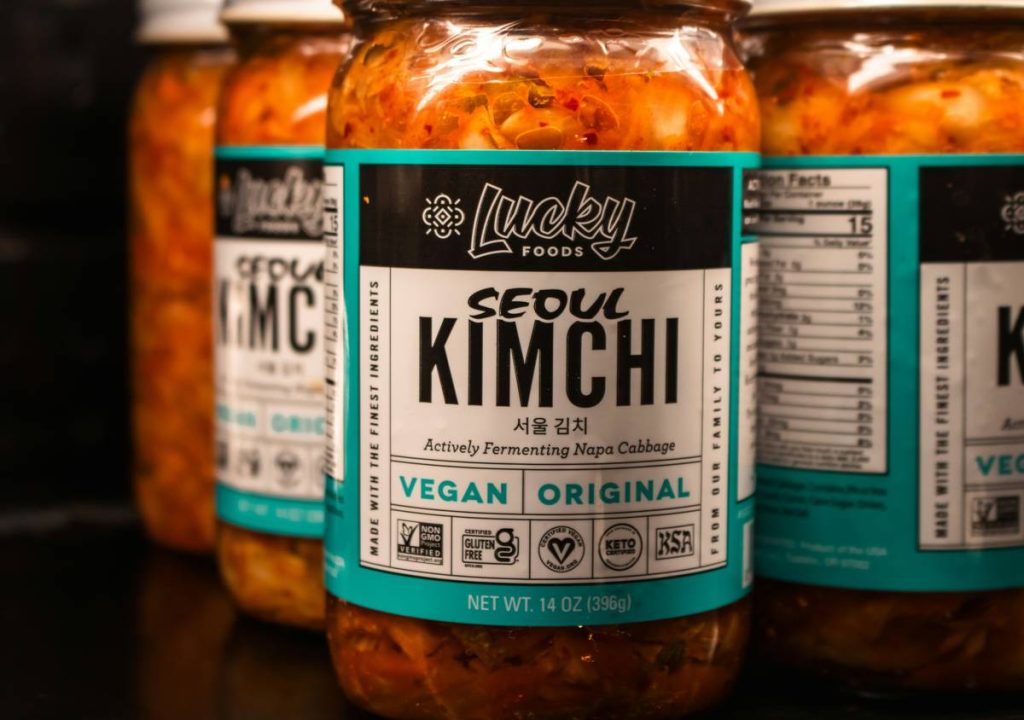
You buy a probiotic labeled “Lactobacillus” and assume it’s working. But your bloating persists. Your digestion feels off. And that promised immune boost? Nowhere to be found. The problem isn’t your gut—it’s the mismatch between strain and need. Not all Lactobacillus species act alike. In fact, some may do nothing for your specific issue. The solution? Understand the types of lactobacillus probiotics—not as a generic category, but as targeted biological tools.
Why Most Probiotic Labels Lie by Omission
Manufacturers list “Lactobacillus” like it’s one thing. It’s not. There are over 260 identified species—and counting. Yet most supplements bundle them under vague terms like “proprietary blend” or hide behind CFU counts alone. CFUs tell you quantity, not function. You could be swallowing billions of bacteria that simply don’t colonize your gut or interact with your immune cells in a meaningful way. And if the strain isn’t viable when it hits your intestines? Total waste. Shelf stability, acid resistance, bile tolerance—these make or break efficacy. Most brands skip testing for any of it.
How to Choose the Right types of lactobacillus probiotics—Strain by Strain
Picking a probiotic isn’t about popularity. It’s precision medicine for your microbiome. Start with your goal. Then match it to documented strains—not genera, not families, actual strain-level IDs (like L. rhamnosus GG).
Lactobacillus acidophilus: The OG—but Overhyped?
Yes, it’s in yogurt and every drugstore supplement. But newer research shows many commercial L. acidophilus strains barely survive gastric transit. Exceptions exist—like NCFM®—which has human trials backing its adhesion to intestinal walls. Still, for general use, it’s fading against more resilient candidates.
Lactobacillus rhamnosus GG: The Gold Standard for Immunity
This strain isn’t just famous—it’s clinically validated. Dozens of RCTs show it reduces respiratory infections in kids and antibiotic-associated diarrhea in adults. Its secret? A surface protein called pili that helps it stick where it matters. If immunity is your priority, this is your anchor strain.
Lactobacillus reuteri: The Mood & Oral Health Maverick
Most overlook L. reuteri’s role beyond digestion. Certain strains (ATCC PTA 6475) produce reuterin—a natural antimicrobial that fights cavity-causing bacteria. Others (DSM 17938) modulate oxytocin pathways. One study showed reduced social stress markers in participants after 4 weeks. Wild, right?
| Strain | Primary Benefit | Clinical Evidence Level | Best For |
|---|---|---|---|
| L. rhamnosus GG | Immune support, diarrhea prevention | ★★★★★ (High) | Travelers, post-antibiotic recovery |
| L. reuteri DSM 17938 | GI comfort, mood modulation | ★★★★☆ (Moderate-High) | IBS sufferers, stress-prone individuals |
| L. acidophilus NCFM® | Vaginal & gut balance | ★★★☆☆ (Moderate) | Women’s health, mild dysbiosis |
| L. plantarum 299v | Leaky gut reduction, inflammation control | ★★★★☆ (Moderate-High) | Autoimmune support, athletes |
The Industry Secret: Viability Trumps Strain Name
Here’s what no supplement label tells you: a dead probiotic is just expensive dust. Many manufacturers test CFUs only at manufacturing—not at expiration. But stomach acid kills weak strains fast. The real differentiator? Delivery technology. Microencapsulation, freeze-drying with trehalose, or spore-forming hybrids (yes, some Lactobacillus strains can be engineered for resilience) dramatically improve survival. At Robustellini, we reject any strain that doesn’t maintain >80% viability through simulated gastric fluid testing. Most brands can’t claim that. Demand third-party viability reports—otherwise, you’re gambling.
Frequently Asked Questions
What’s the difference between Lactobacillus species and strains?
Species is the broad category (e.g., L. acidophilus). Strains are unique subtypes with specific genetic traits (e.g., L. acidophilus NCFM®). Only strains have proven clinical effects.
Can I take multiple types of lactobacillus probiotics together?
Yes—if they’re compatible. Some strains compete. Look for blends validated in synergy studies, like L. rhamnosus GG + L. reuteri DSM 17938 for pediatric gut health.
Do refrigerated probiotics work better than shelf-stable ones?
Not necessarily. Refrigeration slows degradation but doesn’t guarantee viability. Advanced delivery systems now enable room-temperature stability without sacrificing live cell count.