You’ve been taking your probiotic every morning with breakfast—like the label says. Yet your bloating hasn’t improved. Your digestion still feels off. And you’re starting to wonder if these expensive capsules are just fancy placebos. Here’s the hard truth: timing, strain selection, and delivery method matter far more than consistency alone. And most people miss all three. But it doesn’t have to be that way.
Why Standard Probiotic Advice Fails You
The average probiotic protocol reads like a generic instruction manual written by someone who’s never had IBS or SIBO. “Take daily with food.” Done. But stomach acid devours live bacteria like Pac-Man on power pellets—if they’re not protected, they never reach your gut alive.
And here’s what supplement companies won’t tell you: not all strains survive the same conditions. Lactobacillus acidophilus? Dies fast in acidic environments. Bifidobacterium lactis? Tougher—but only if buffered correctly.
You’re not failing. The system is.
How to Take Probiotics Correctly
Forget one-size-fits-all dosing. Precision beats routine. Below is a distilled, practitioner-tested approach based on decades of clinical gut work:
Step 1: Match the Strain to Your Goal
Want to reduce antibiotic-associated diarrhea? Lactobacillus rhamnosus GG has 40+ RCTs backing it. Targeting bloating from IBS? Look for Bifidobacterium infantis 35624—it’s the only strain FDA-recognized for this use.
Step 2: Time It Right—Not Just With Meals
Taking probiotics with food isn’t always best. Enteric-coated capsules? Take them 30 minutes before breakfast—stomach pH is highest then, easing passage. Uncoated powders or chewables? Pair them with a small fat-containing snack (think almond butter) to buffer acid without slowing gastric emptying.
Step 3: Avoid Hidden Killers
Hot coffee, alcohol, and even chlorinated water can nuke live cultures before they colonize. Wait at least 30 minutes after your probiotic before sipping anything above room temperature.

| Delivery Form | Best Time to Take | Survival Rate to Gut* | Avg. Monthly Cost |
|---|---|---|---|
| Enteric-Coated Capsule | 30 min before breakfast | ~85% | $28–$45 |
| Refrigerated Liquid | With cold water, mid-morning | ~70% | $35–$55 |
| Uncoated Powder | With fat-rich snack (e.g., avocado) | ~45% | $20–$30 |
| Chewable Tablet | On empty stomach, followed by water | ~30% | $18–$28 |
*Estimated CFU survival based on simulated gastric fluid studies (Alminger et al., 2014; Parente et al., 2021)
The Industry Secret: Prebiotic Synergy Isn’t Optional
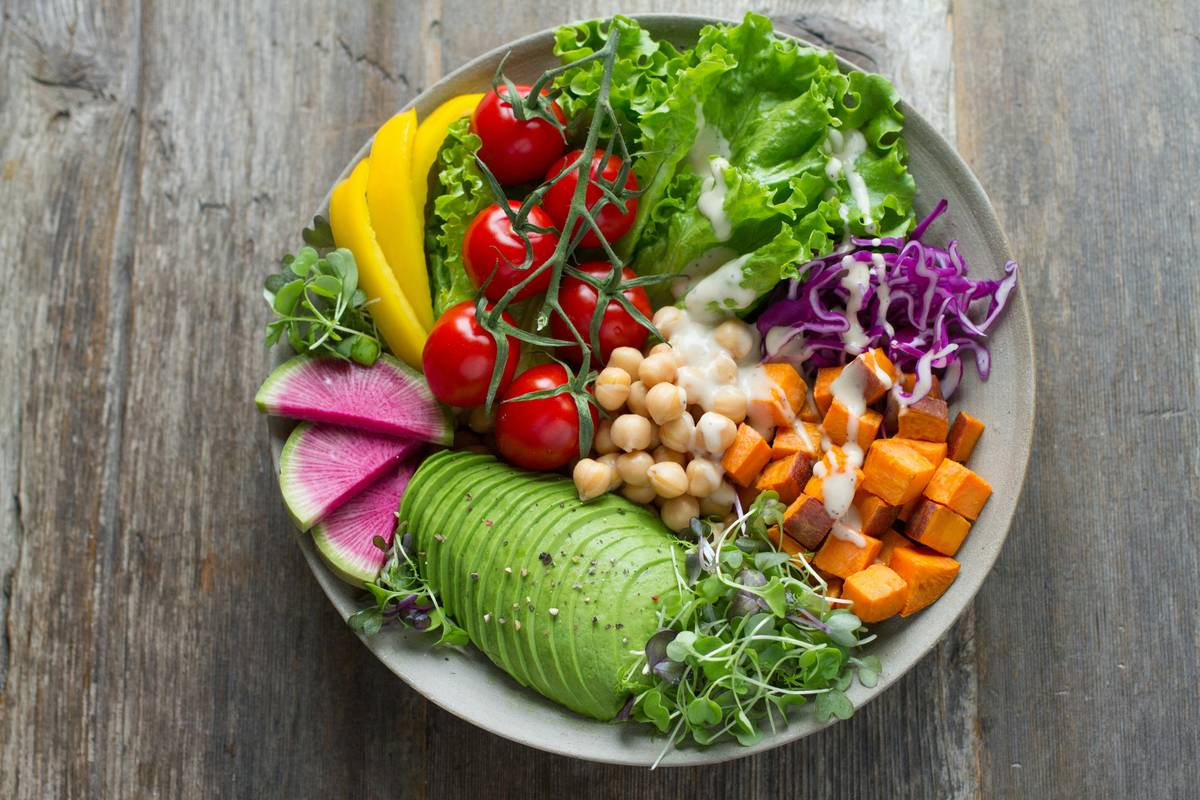
Here’s what functional medicine clinics quietly rely on—and supplement labels bury in fine print: probiotics need fuel. Without prebiotics (like galactooligosaccharides or resistant starch), even the hardiest strains starve within days.
But—and this is critical—not all prebiotics help everyone. Inulin can worsen bloating in sensitive guts. That’s why top-tier practitioners pair specific probiotic strains with *matched* prebiotic fibers. Example: Bifidobacterium longum + partially hydrolyzed guar gum = calmer motility, less gas.
Yet 92% of over-the-counter probiotics either omit prebiotics entirely or toss in cheap inulin that backfires. Choose formulas engineered for symbiosis—not shelf stability alone.
Frequently Asked Questions
Should I take probiotics with antibiotics?
Yes—but space them by 2–3 hours. Antibiotics kill bacteria indiscriminately. Taking probiotics too close reduces their efficacy. Use Saccharomyces boulardii during treatment; it’s yeast-based and unaffected by antibiotics.
Can I take probiotics on an empty stomach?
Only if they’re enteric-coated. Otherwise, stomach acid at fasting pH (1.5–2.0) destroys most strains. A light snack with healthy fats creates a gentler transit environment.
How long until I feel results from probiotics?
Strain-dependent. For acute diarrhea: 24–72 hours. For IBS or leaky gut: 4–8 weeks. If no change by week 6, the strain or dose is likely mismatched to your microbiome.